
Last updated October 16, 2026
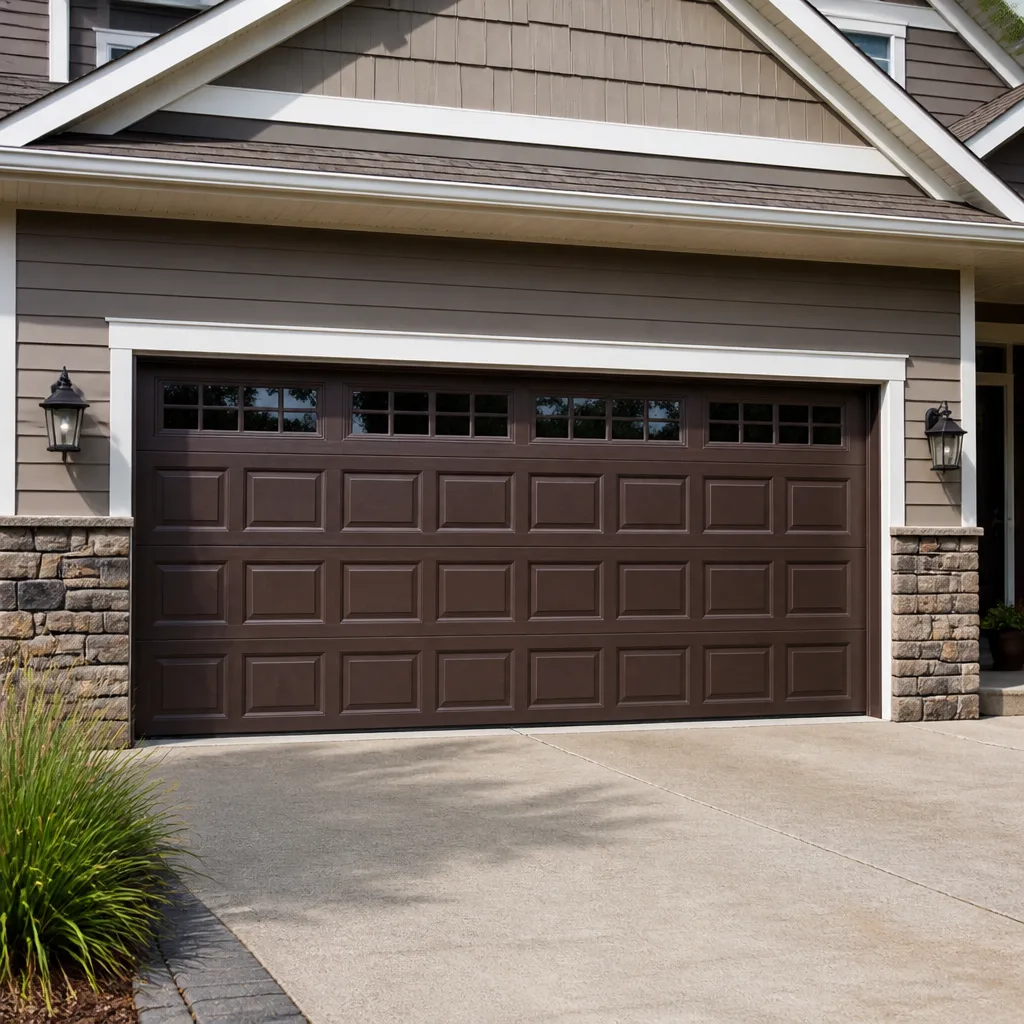 Raised-panel steel
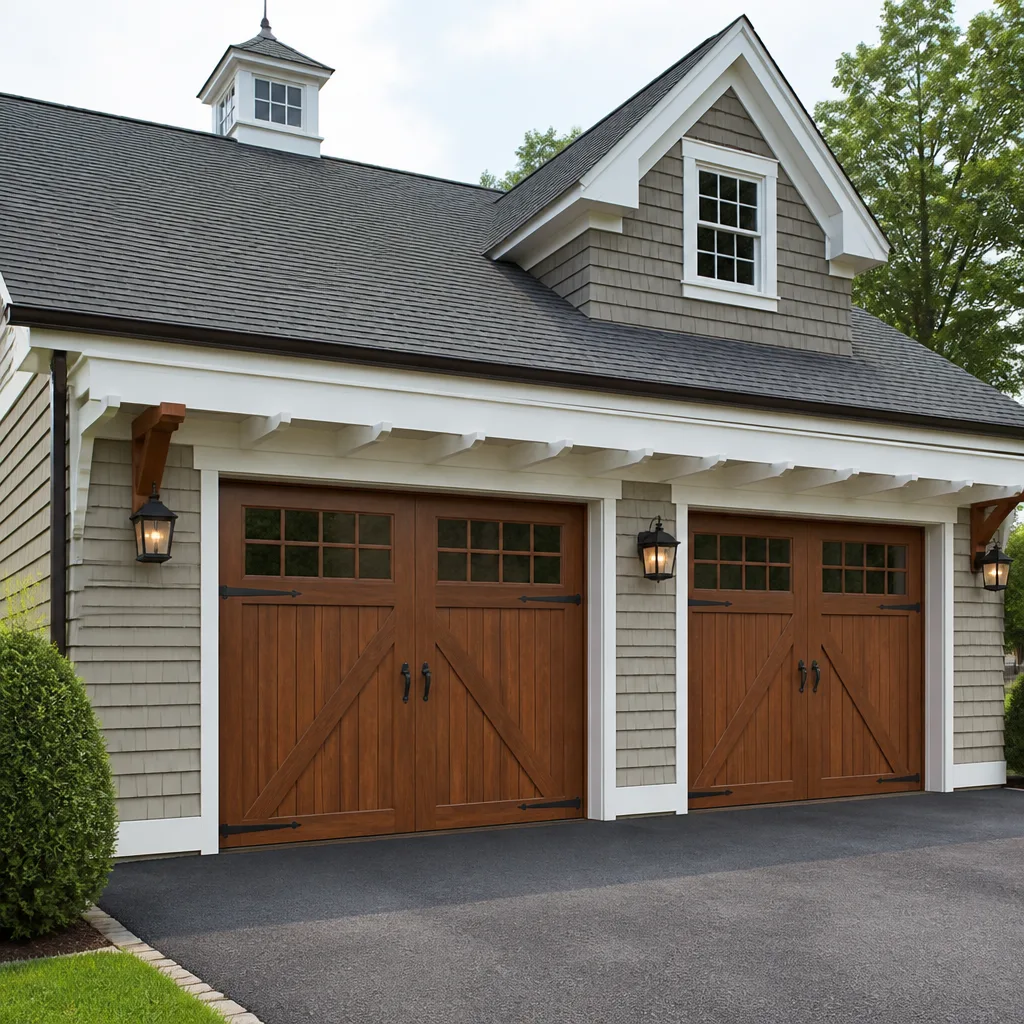 Carriage house
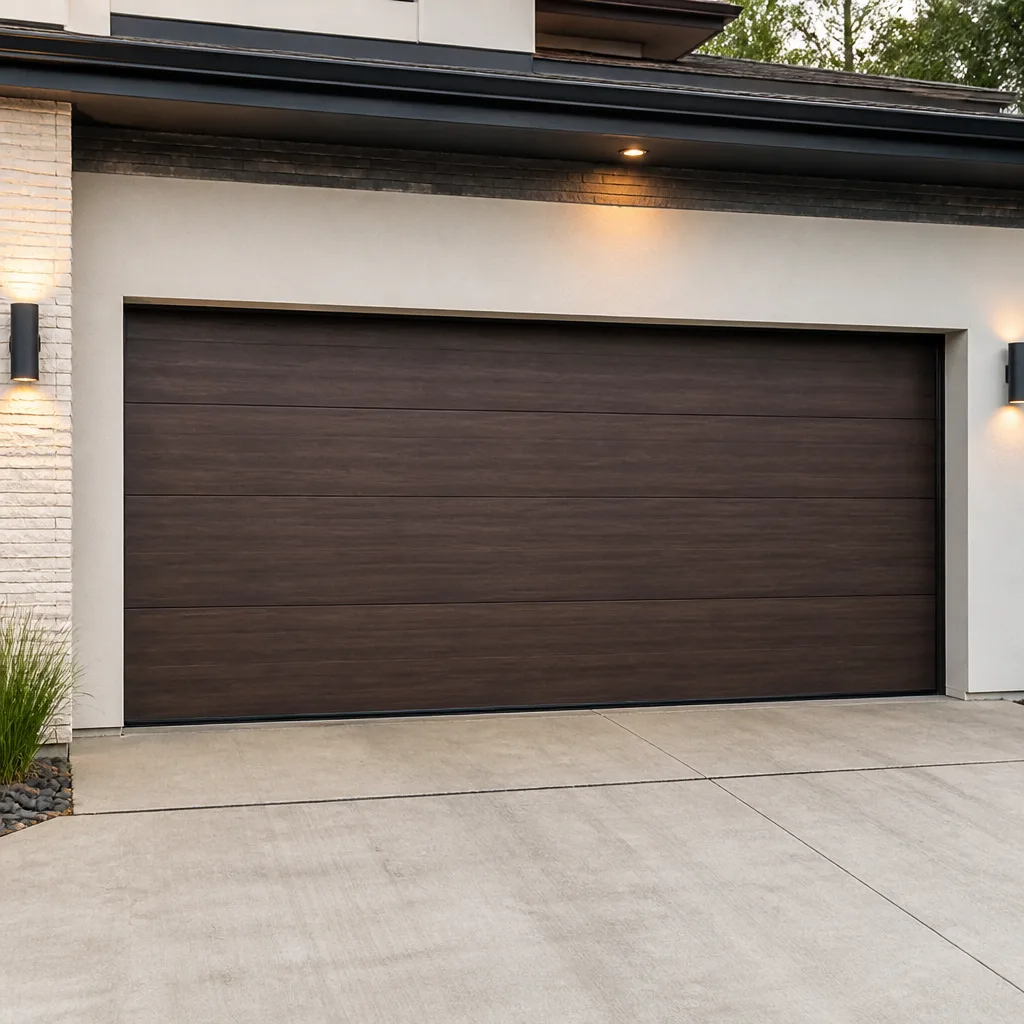 Modern flush
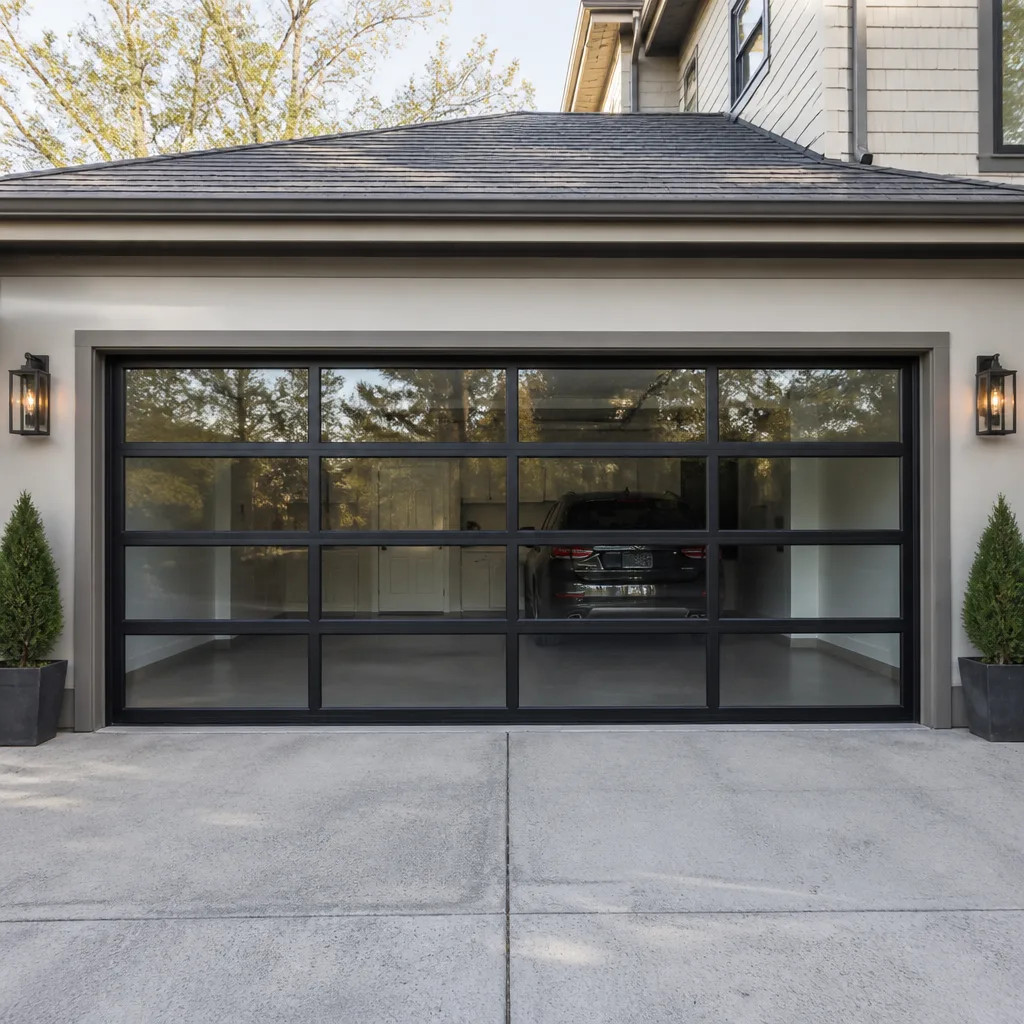 Full-view glass
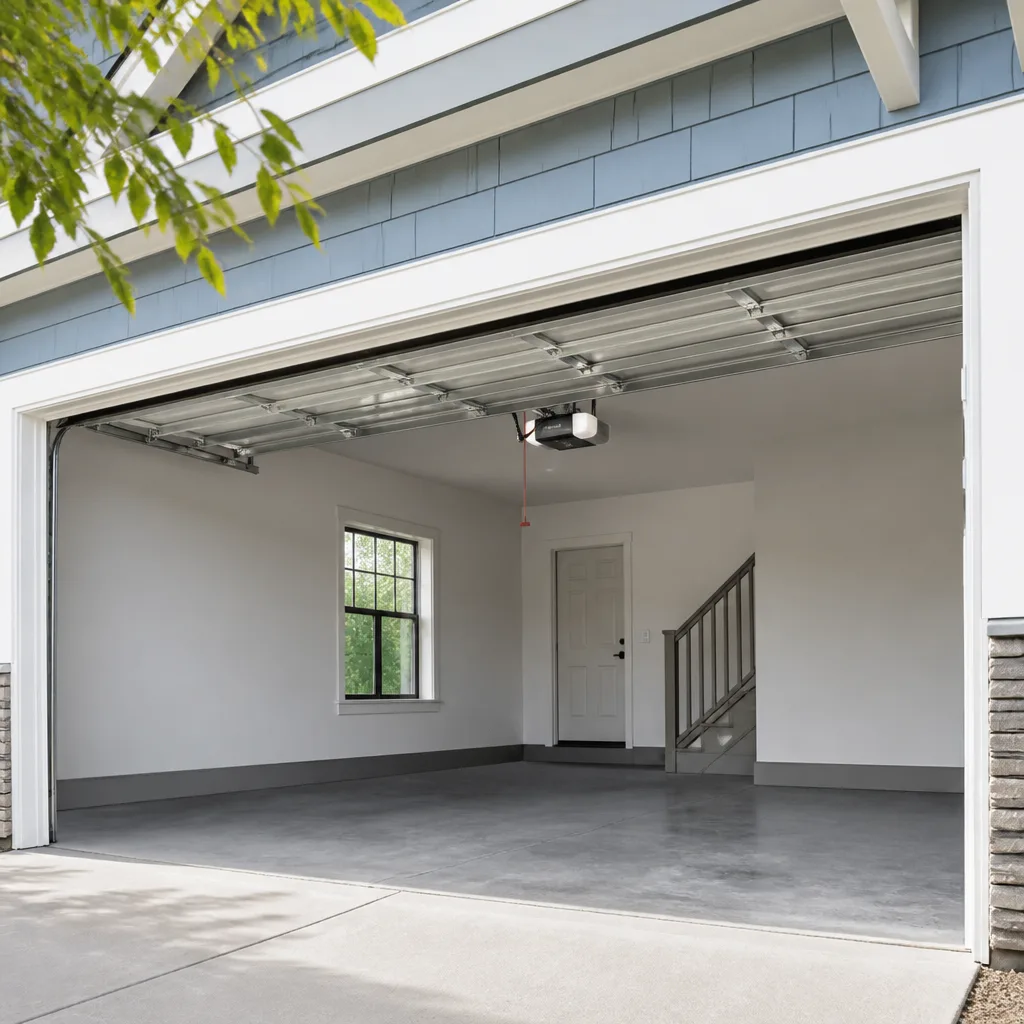 LiftMaster openers
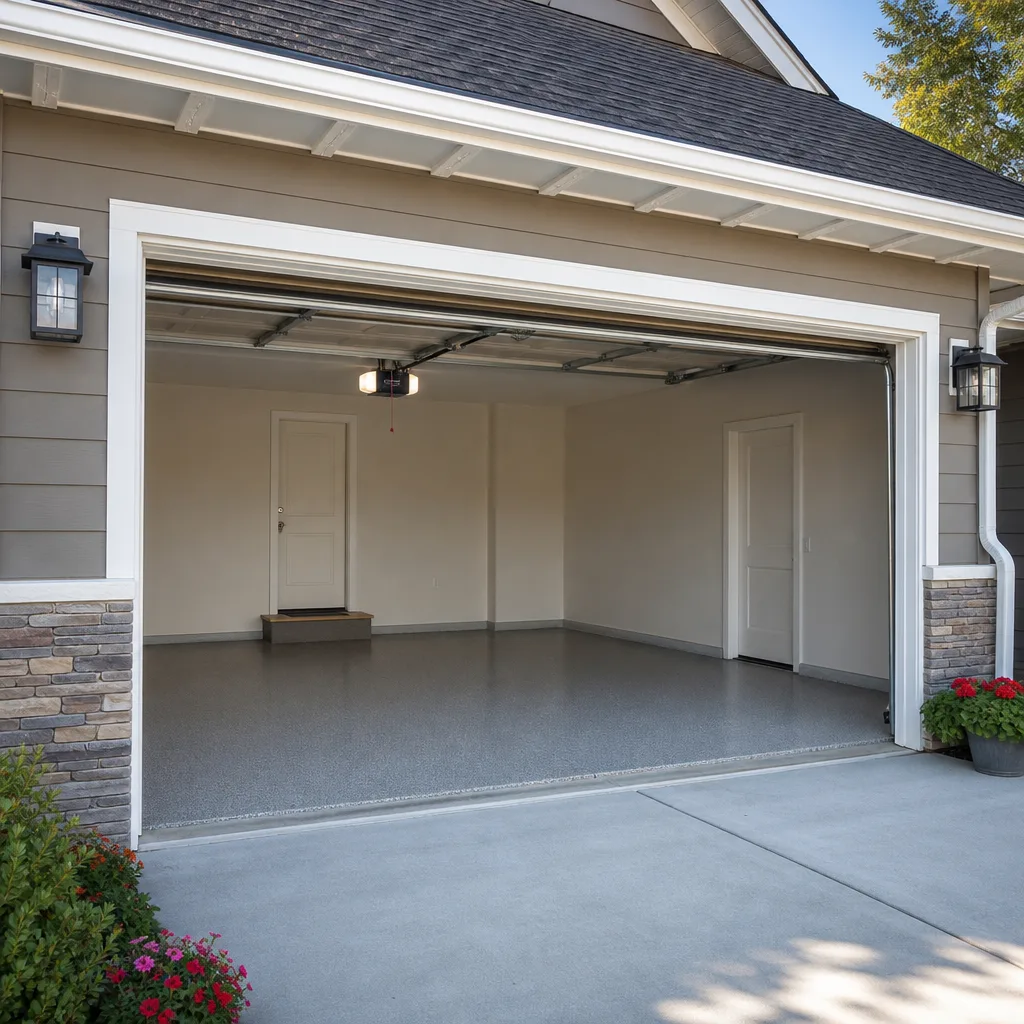 Chamberlain openers
Full 25-point door and opener safety check with every visit - springs, cables, rollers, tracks, and your LiftMaster or Chamberlain opener included
You get a price before we start. It does not change when the truck arrives.
Get your free estimateThe Complete Guide to Garage Door in Santa Clarita
The average Santa Clarita garage door runs through more thermal cycles per year than one in coastal LA, and most homeowners don’t know that until a spring snaps or a panel warps. This guide is built around the actual variables that determine how long a garage door lasts and what it costs to maintain in this city: heat, dust, HOA rules, and component quality. You’ll learn how your door system actually works, what breaks first in Santa Clarita’s climate, what repairs should cost, and when a repair makes more sense than a replacement. For help weighing that choice, see our DIY vs Professional Garage Door: The Santa Clarita Homeowner’s Decision Guide.
Quick Answer
Garage door problems in Santa Clarita fall into a few predictable categories: broken springs, snapped cables, bent tracks, failed openers, and weather-worn panels or seals. Most repairs cost between $150 and $400 and can be completed in one visit. The single most important local factor is spring fatigue from inland heat cycles, which shortens spring life compared to coastal climates.
Styles & brands we work with
Table of Contents
- How a Garage Door System Actually Works
- What Santa Clarita’s Climate Does to Garage Doors
- The Most Common Failures We See in Santa Clarita
- HOA Rules in Stevenson Ranch, Valencia, and Saugus
- Residential Grade vs. Commercial Grade Components
- What “Up to Code” Means in LA County and Why It Matters
- Repair or Replace: How to Decide
- What Garage Door Work Costs in Santa Clarita
How a Garage Door System Actually Works
A garage door is not one machine. It’s four systems that have to work together, and most homeowners only notice the one that failed. Understanding the whole picture helps you identify where a problem starts, not just where it shows up.
The four systems are:
- The lifting mechanism: torsion springs (the thick coiled spring mounted above the door that bears most of the lifting load) or extension springs (older stretch-style springs mounted along the horizontal tracks). These do roughly 90% of the work of raising the door.
- The travel system: tracks, rollers, and hinges that guide the door up and over. The tracks are the rails along both sides and across the ceiling. Rollers are the small wheels that ride inside the tracks. Hinges connect the individual door panels.
- The drive system: the opener motor, the belt, chain, or screw drive, and the opener’s internal logic board. This system only moves the door after the springs have already made it light enough to lift.
- The cables and drums: cables run from the bottom corners of the door up to the drums at each end of the torsion spring shaft. The drums wind and unwind the cables to keep the door level as it moves.
Here’s the sequence in a healthy system:
- You press the remote. The opener motor engages.
- The opener pulls or pushes the door via the drive rail.
- The springs, which are already under controlled tension, convert that tiny push into the lifting force needed to move a 150- to 300-pound door.
- The cables keep both sides moving at the same rate through the drums.
- The rollers guide the panels through the curve of the track.
- The door reaches its limit and the opener shuts off.
When one component fails, the others take on strain they were not built for. A broken spring turns the opener into the sole lifting source, which it is not designed to be. A frayed cable makes the door lift unevenly, which twists the panels in the track. The part you can see failing is rarely the only part under stress. That’s why a repair in Santa Clarita should always include a quick inspection of the whole system, not just the obvious break.
What Santa Clarita’s Climate Does to Garage Doors
Santa Clarita sits in a hot inland valley where summer temperatures routinely pass 95°F and often climb past 105°F. Garage interiors absorb that heat. A closed garage can hold temperatures 15 to 25 degrees hotter than the outside air for hours after sunset. That heat does specific, predictable damage.
Spring Fatigue
Torsion springs are rated for a certain number of cycles (one full open-and-close equals one cycle). A standard residential spring is built for roughly 10,000 cycles. The rating assumes normal temperatures. Heat accelerates metal fatigue. The spring steel expands and contracts with every hot day and cool night, and over thousands of those thermal cycles, microscopic stress fractures form. In practical terms, a spring that might last 10 to 12 years in Ventura can fail in 7 to 9 years in Santa Clarita. When we replace springs for homeowners in neighborhoods like Northbridge and Sunset Hills, we recommend upgrading to high-cycle springs (rated for 25,000 to 30,000 cycles) because the heat cuts standard spring life measurably.
Weather Seal Breakdown
The rubber or vinyl weather seal along the bottom of the door, and the vinyl trim seal around the sides, hardens and cracks in sustained heat. Once cracked, the seal no longer keeps dust out, and Santa Clarita has plenty of dust. A failed bottom seal lets dust, leaves, and insects into the garage, and it increases the heat transfer into the garage interior. We see weather seals fail in 2 to 3 years here, where the same seal might last 5 years near the coast.
Panel Expansion and Warping
Steel panels with a wood-grain texture or smooth finish absorb solar heat directly, especially on west-facing doors. Insulated double-layer steel holds up better. Single-layer non-insulated steel panels in dark colors (like deep brown or black, popular in some Santa Clarita HOAs) can absorb enough surface heat to cause visible oil-canning, a wavy distortion in the metal face. Wood doors, while less common in Santa Clarita, fare worse: the dry heat pulls moisture from the wood and causes warping at the panel edges.
Lubrication Failure
Heat thins lubricants and causes them to migrate away from moving surfaces. Rollers, hinges, and bearing plates run dry faster here than in milder climates. Dry metal-on-metal contact grinds out rollers and wears hinge barrels. The fix is straightforward: a silicone-based lubricant applied to rollers, hinges, and spring coils twice a year. But most homeowners never do it, and the first symptom is a garage door that sounds like it’s tearing itself apart.
The Most Common Failures We See in Santa Clarita
In our experience across Santa Clarita, from Canyon Country to Newhall, the same failures repeat on a predictable schedule. Here’s what we’re actually called out for, ranked by frequency.
- Broken torsion spring (with the door closed). The spring snaps, usually with a loud bang that homeowners often mistake for a car backfiring. The door becomes nearly impossible to lift by hand. The opener cannot move it. This is the single most common repair call we get.
- Snapped or frayed cable. Cables fray against dry, worn drums. When a cable snaps, the door jerks, drops on one corner, or jams diagonally in the opening. A cable failure is dangerous because the remaining cable is holding uneven load against a spring still under tension.
- Opener failure, usually the logic board or gear assembly. Santa Clarita’s heat shortens the life of opener circuit boards. Power surges from summer thunderstorms also take them out. The opener hums or clicks but the door won’t move, or the remote stops syncing.
- Track misalignment from the door being operated with a broken spring. Homeowners sometimes force the door up manually after a spring breaks. The door goes up crooked and bends a vertical track section. What started as a $200 spring job becomes a $450 track-and-roller job.
- Roller and hinge wear. Dry rollers grind against dry tracks. The nylon wheels on average rollers crack in heat. Hinges at the panel joints loosen, and the door starts to bind at specific points in the travel.
- Bottom seal failure. Crumbled rubber, visible daylight under the door, dust accumulation inside the garage, and rodent droppings where mice have squeezed through the gap.
If you hear a bang from the garage and the door won’t open, stop pressing the opener button. The opener motor will try to lift a door that the broken spring is no longer counterbalancing, and you’ll burn out the motor or strip the internal gear. Call us or another qualified garage door company and describe exactly what you heard and saw. A good technician can diagnose the likely fault from your description and bring the right parts on the first trip.
For a full breakdown of spring, cable, and opener work, our Garage Door Repair in Santa Clarita page covers each repair type in depth.
HOA Rules in Stevenson Ranch, Valencia, and Saugus
If you live in a planned community in Santa Clarita, your garage door is likely governed by your HOA’s architectural guidelines. The restrictions are not suggestions. HOAs in Stevenson Ranch, Valencia, and Saugus regularly issue violation notices over garage door changes made without approval, and some HOAs charge daily fines until the door is corrected.
The most common restrictions we’ve seen across Santa Clarita HOAs:
- Color restrictions: Many HOAs limit garage door colors to specific approved palettes. A white door in a community with only beige and sand tones will draw a violation notice. Even matching the house trim color without checking the approved palette can be a problem if the HOA requires a specific contrast level between the door and the body color.
- Window configuration: Some communities prohibit garage door windows entirely, reasoning that they break the uniform street view. Others allow windows only in the top panel, only in certain widths, or only with frosted or obscured glass.
- Hardware finish: Decorative strap hinges and handles are popular, but some HOAs restrict the finish (no black iron, only matte bronze) or prohibit decorative hardware altogether on certain home elevations.
- Insulation requirements: A few newer communities built under specific energy codes require a minimum R-value in the garage door if the garage is attached to the living space.
- Full replacement timing: Some HOAs require that if one homeowner replaces a garage door, all visible street-facing doors on multi-unit or paired homes must be replaced or refinished at the same time. That’s rare but it exists in some Stevenson Ranch subdivisions.
The process in most HOAs: submit an architectural modification request with the door manufacturer, model, color code, and a photo mockup. Approval takes anywhere from one to four weeks. If you’re planning a replacement, start the HOA process before you order the door, not after. We’ve had to reschedule installations because the door arrived before the HOA signed off, and the homeowner was stuck storing a $2,500 door in their garage while the paperwork crawled through committee.
If you’re replacing a door in an HOA community, call us before you buy anything. We’ll help you match the spec to your community’s requirements and avoid the violation loop. Start with our Brock Garage Doors Santa Clarita home page for a quick orientation on what we do.
Residential Grade vs. Commercial Grade Components
Every garage door component comes in residential and commercial grades, but the distinction matters only for some parts. Here’s a practical breakdown for a Santa Clarita homeowner.
Where commercial grade matters:
- Springs: This is the big one. High-cycle springs (25,000 to 30,000 cycles) are a meaningful upgrade over standard 10,000-cycle springs in Santa Clarita’s heat. The price difference is modest, typically $40 to $80 per spring, and the lifespan difference is measured in years. If you plan to stay in the house more than 5 years, specify high-cycle springs.
- Rollers: Commercial rollers with sealed ball bearings and reinforced nylon wheels run quieter and last longer than standard rollers, especially in dusty conditions. Santa Clarita’s dust works its way into unsealed bearings and grinds them. Sealed bearing rollers cost about $10 to $15 more per roller and are worth it.
- Weather seals: Premium EPDM rubber bottom seals last about twice as long as the standard vinyl seals in high heat. They’re a $20 upgrade on most doors.
Where commercial grade does not matter for a home:
- The door itself: Commercial steel doors are thicker and heavier, but they’re built for forklift traffic and dock impact, not residential use. A commercial door on a home is overkill, requires a heavier opener, and costs 3 to 5 times more with no practical benefit for a homeowner.
- Track systems: Commercial tracks have heavier gauge steel and larger radius curves meant for doors that cycle 50 to 100 times a day. A home garage door cycles 4 to 8 times a day. Standard residential track is fine.
- Openers: Commercial openers are built for continuous duty but they’re louder, larger, and over-spec for a residential door. A quality residential opener from LiftMaster or Chamberlain, properly sized for the door weight, is the right choice.
The takeaway: upgrade the wear components (springs, rollers, seals) to commercial or premium grade. Keep the door, track, and opener in residential grade. That’s where the money is best spent in Santa Clarita.
What “Up to Code” Means in LA County and Why It Matters
Los Angeles County building codes govern garage door installation and replacement in Santa Clarita. The code sections that matter to homeowners are straightforward, and they exist for a reason your insurance company cares about. For full details, read our guide to Garage Door Permits, Codes & Inspections in CA: What You Need to Know.
The key requirements:
- Seismic bracing: Garage doors installed in LA County must have bottom corner brackets that are reinforced against seismic movement. The brackets secure the door to the track to prevent it from jumping the track during an earthquake. Older doors often lack this reinforcement.
- Wind load resistance: Santa Clarita sits in a moderate wind zone. Doors must be rated to withstand the wind loads specified in the current code. This affects panel thickness and bracing in some areas, particularly on street-facing elevations in open neighborhoods like parts of Saugus.
- Spring containment: Torsion springs must be installed on a shaft with containment cables running through the spring coils. If a spring snaps, the containment cable keeps the broken pieces from flying across the garage. This has been standard practice for new installs for years, but older doors often lack containment.
- Safety sensor compliance: Federal law (not just local code) requires photoelectric sensors mounted 4 to 6 inches above the floor on both sides of the door opening. The sensors must reverse the door if anything crosses the beam while the door is closing. A door with missing, broken, or bypassed sensors is not code compliant and is a serious liability.
- Manual release operation: The door must operate manually with reasonable effort when the opener is disengaged, which means the springs must be properly balanced. An unbalanced door (caused by worn springs) is a code violation.
Here’s why code compliance matters for insurance: if a garage door fails, damages a vehicle, or injures someone, and the insurance adjuster determines the door was not code compliant at the time of the incident, the claim can be denied. We’ve seen it happen with unpermitted door replacements that lacked seismic brackets. The homeowner was told the door was “installed fine” by a handyman, and when the claim came, the insurance company had a different opinion.
When we install or repair a door in Santa Clarita, we verify every code point above before we leave, and it’s documented on the written invoice. That documentation is your proof of compliance if an adjuster ever asks.
If you need opener work specifically, our Garage Door Opener Repair in Santa Clarita page covers sensor issues, logic boards, and motor replacement in detail.
Repair or Replace: How to Decide
This is the question every Santa Clarita homeowner eventually faces. The decision comes down to four factors: the age of the door, the condition of the panels, the cost of the repair versus replacement, and whether the door is still code compliant.
Repair makes sense when:
- The door is less than 12 years old and the panels are straight.
- The repair cost is under half the cost of a comparable replacement.
- The failure is a wear component (spring, cable, roller, seal) rather than structural damage.
- The door is an insulated double-layer steel door with no visible cracks or warping.
Replace makes sense when:
- The door is over 15 years old and showing panel rust, separation, or oil-canning.
- Multiple panel sections are dented or cracked, and the replacement of individual panels is not available for your door model (most manufacturers discontinue panel availability after 7 to 10 years).
- The door lacks seismic brackets or containment cables and the panel condition doesn’t justify retrofitting.
- You want insulation and your current door is a single-layer non-insulated steel panel, which is common on pre-2005 homes in Canyon Country and Newhall.
A practical example: a spring replacement on a 10-year-old insulated door costs $180 to $340 and restores the door to full function. That’s the right call. The same spring replacement on an 18-year-old single-layer door with rusted panels and a cracked bottom section is throwing good money after a door that’s already past its service life. You’d be better off replacing the whole system with an insulated door that meets current code.
When you call us for a repair quote, we’ll tell you if the door is worth saving. We don’t upsell replacements. If the door is structurally sound, we fix it and write the guarantee. If it’s not, we say so and give you the replacement numbers to make an informed call.
What Garage Door Work Costs in Santa Clarita
Here are the price ranges we quote for common work in Santa Clarita, with context in our Garage Door Cost Breakdown: The Santa Clarita Homeowner’s Reference for 2026. These are written-price ranges, meaning the number you approve on the invoice is the number you pay, regardless of what the job turns into once we start. The price is quoted and agreed before any work begins.
| Service | Typical Range | Notes |
|---|---|---|
| Spring replacement (single) | $150 – $275 | Standard torque springs; high-cycle upgrade adds $40 – $80 per spring. |
| Spring replacement (pair) | $250 – $450 | We recommend replacing both when one fails; both springs carry equal load. |
| Cable replacement | $150 – $275 | Depends on cable type and drum condition. |
| Opener repair | $125 – $325 | Logic boards, gear assemblies, sensor alignment, or drive belt replacement. |
| Opener replacement (installed) | $425 – $750 | Includes new opener, installation, and sensor alignment. LiftMaster and Chamberlain models. |
| Track realignment | $125 – $225 | Straightening bent vertical track and resetting roller spacing. |
| Roller replacement (set of 12) | $95 – $190 | Includes super-quiet sealed bearing nylon rollers. |
| Panel replacement (single section) | $325 – $700 | Depends on panel size, manufacturer, and finish match. |
| Full door replacement (installed) | $1,800 – $4,500 | Single-layer steel up to custom insulated. HOA approval may add 1 – 4 weeks. |
| Weather seal replacement | $85 – $150 | Bottom seal and side trim seal with premium EPDM rubber. |
These are Santa Clarita market ranges, not national averages. Coastal prices skew lower because spring and seal life runs longer. Our pricing is the same regardless of neighborhood: Newhall, Valencia, Saugus, Canyon Country, Stevenson Ranch, or Castaic.
Every line-item quote is written and handed to you before work starts. If we find additional problems once the door is open, we stop, show you, and get your sign-off on the revised number before proceeding. You will never see a higher invoice than the number you approved.
For a more detailed look at repair costs, see our Garage Door Cable Repair in Santa Clarita page, which breaks out cable-specific pricing and scenarios.
Common Mistakes to Avoid
- Replacing one spring instead of both. When a torsion spring fails, its counterpart has already gone through the same number of cycles and is about to fail. Replacing one spring saves $80 to $150 today and costs you another service call in six months. Replace both springs, or none.
- Over-tightening springs as a DIY “fix.” Winding a torsion spring requires specialized bars and exact torque settings. Over-tensioning a spring can snap it and send the winding bar flying, which has caused serious injuries. A garage door spring under tension stores enough force to break bone.
- Using WD-40 on rollers and hinges. WD-40 is a solvent, not a lubricant. It strips existing lubrication and accelerates wear. Use a silicone-based lubricant made for garage doors.
- Forcing the door open with a broken spring. The door weighs 150 to 300 pounds without counterbalance. Forcing it bends track sections and tears cables, turning a one-part job into a four-part job.
- Bypassing or disabling photoelectric sensors. Some homeowners zip-tie the sensors to the ceiling to stop false triggers from dust or sunlight. This disables the safety reversal and creates a code violation that can invalidate an insurance claim.
- Painting a steel door with the wrong paint in Santa Clarita heat. Dark colors on single-layer doors absorb heat and cause panel warping. If you paint, use light colors or heat-reflective finishes, and check HOA rules first.
- Ignoring a noisy door. Grinding, squealing, or rattling rarely fixes itself. It’s dry rollers, loose hinges, or a failing spring. A $10 fan of lubrication today prevents a $250 roller and track replacement tomorrow.
See the difference
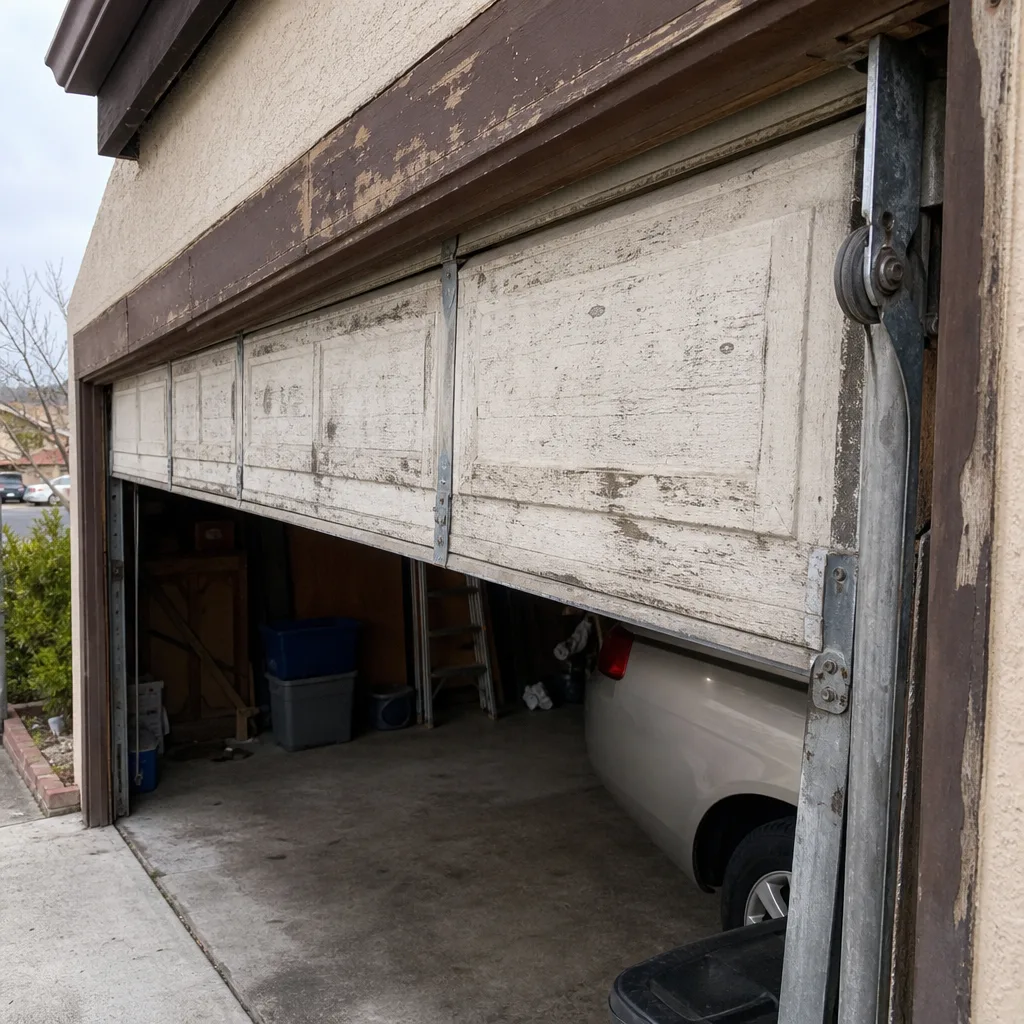 Before
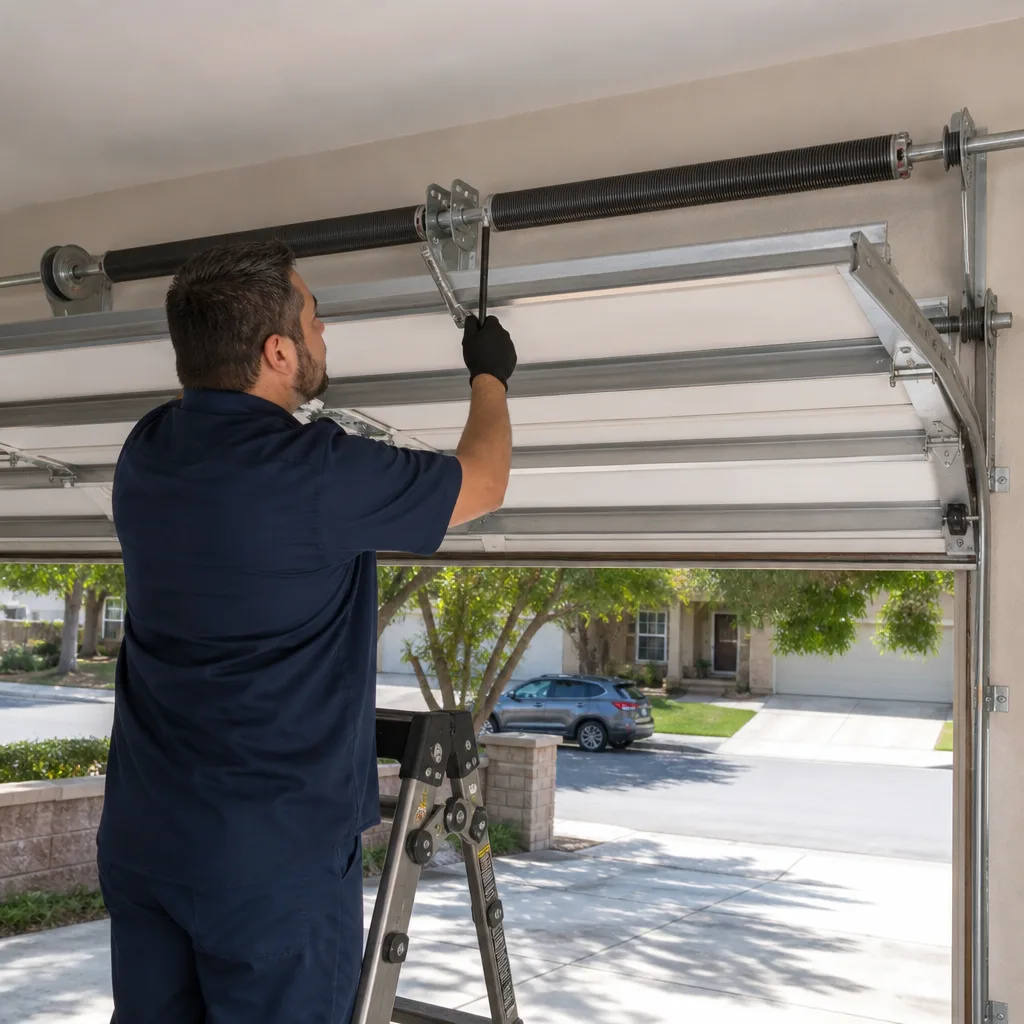 After
After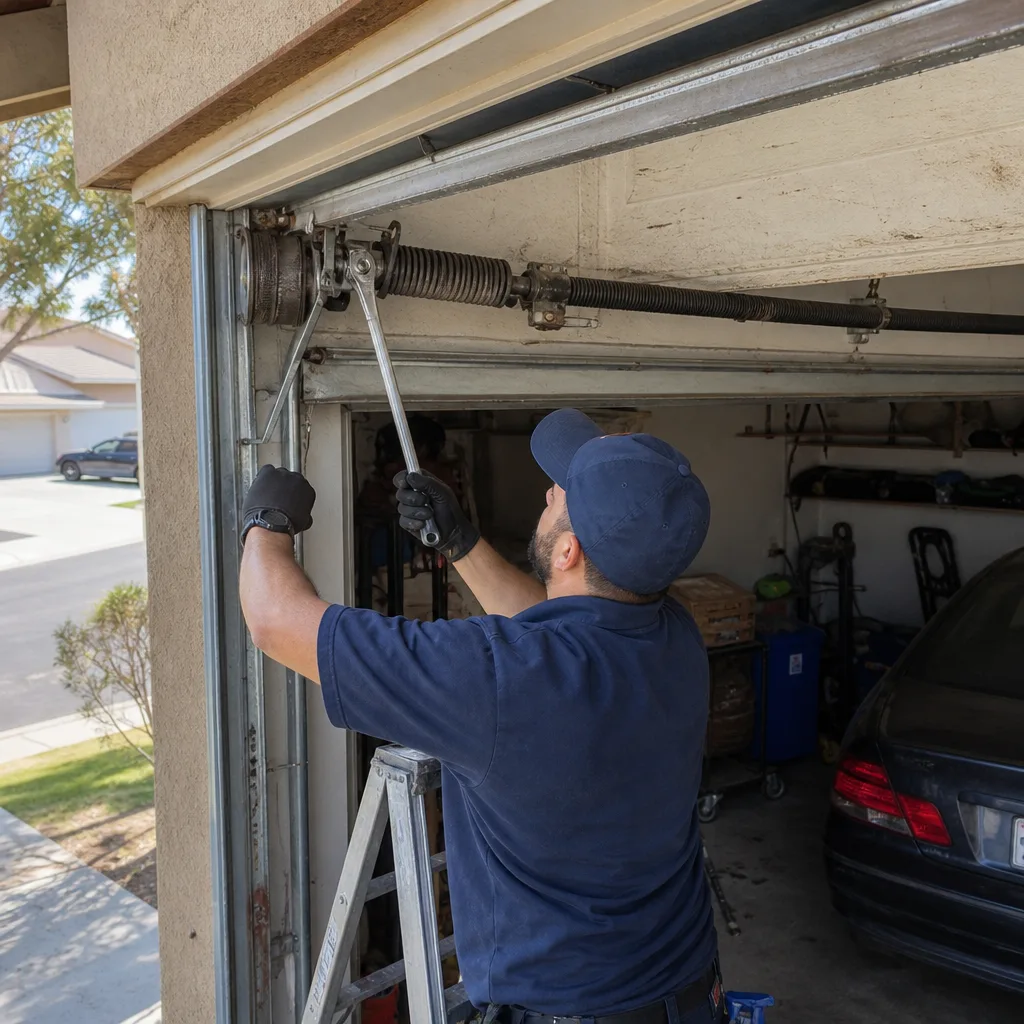 Before
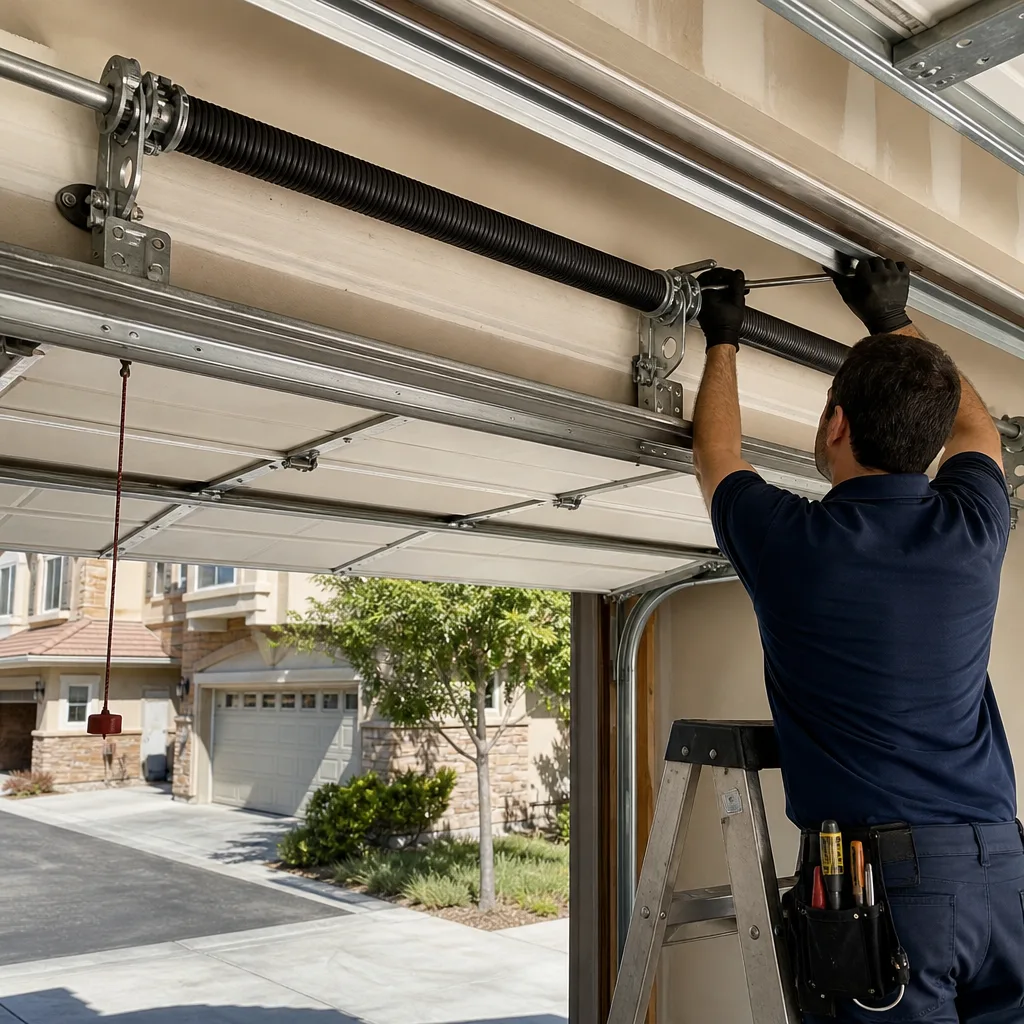 After
After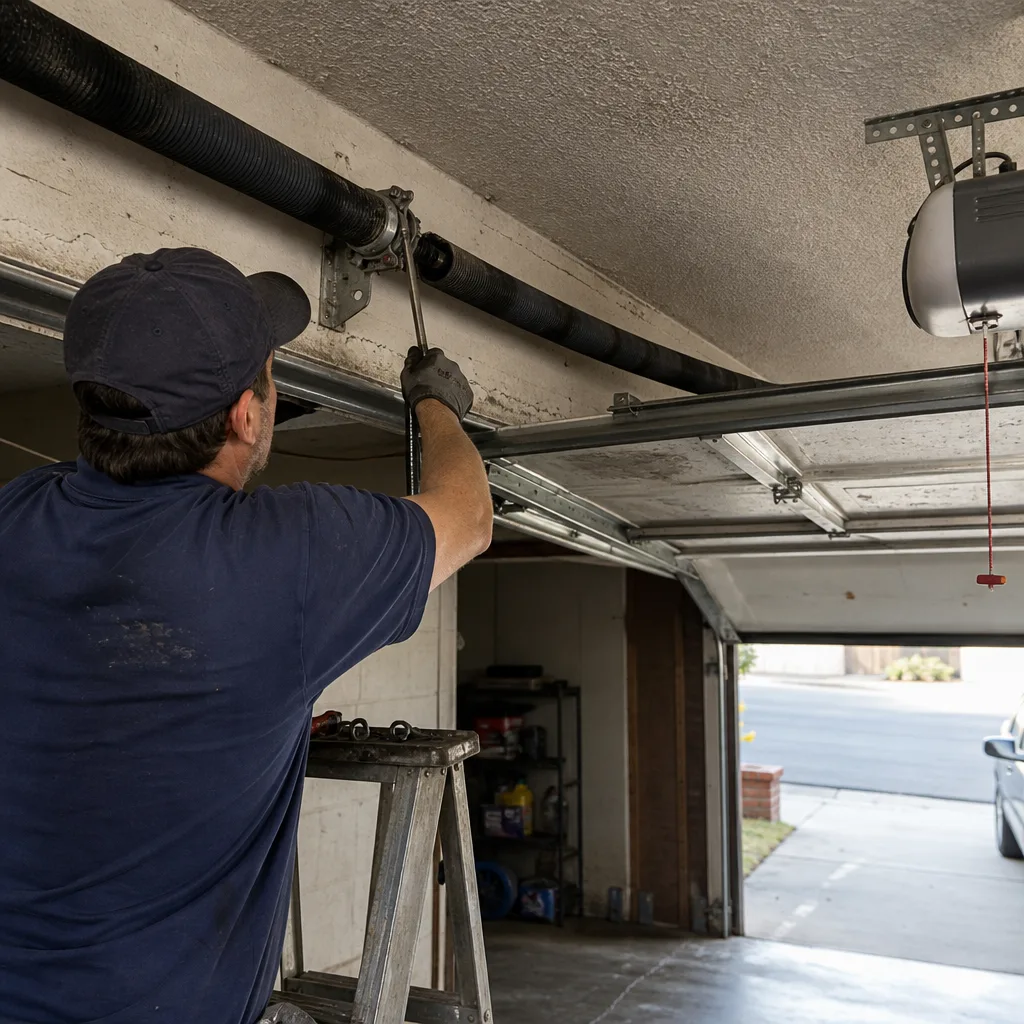 Before
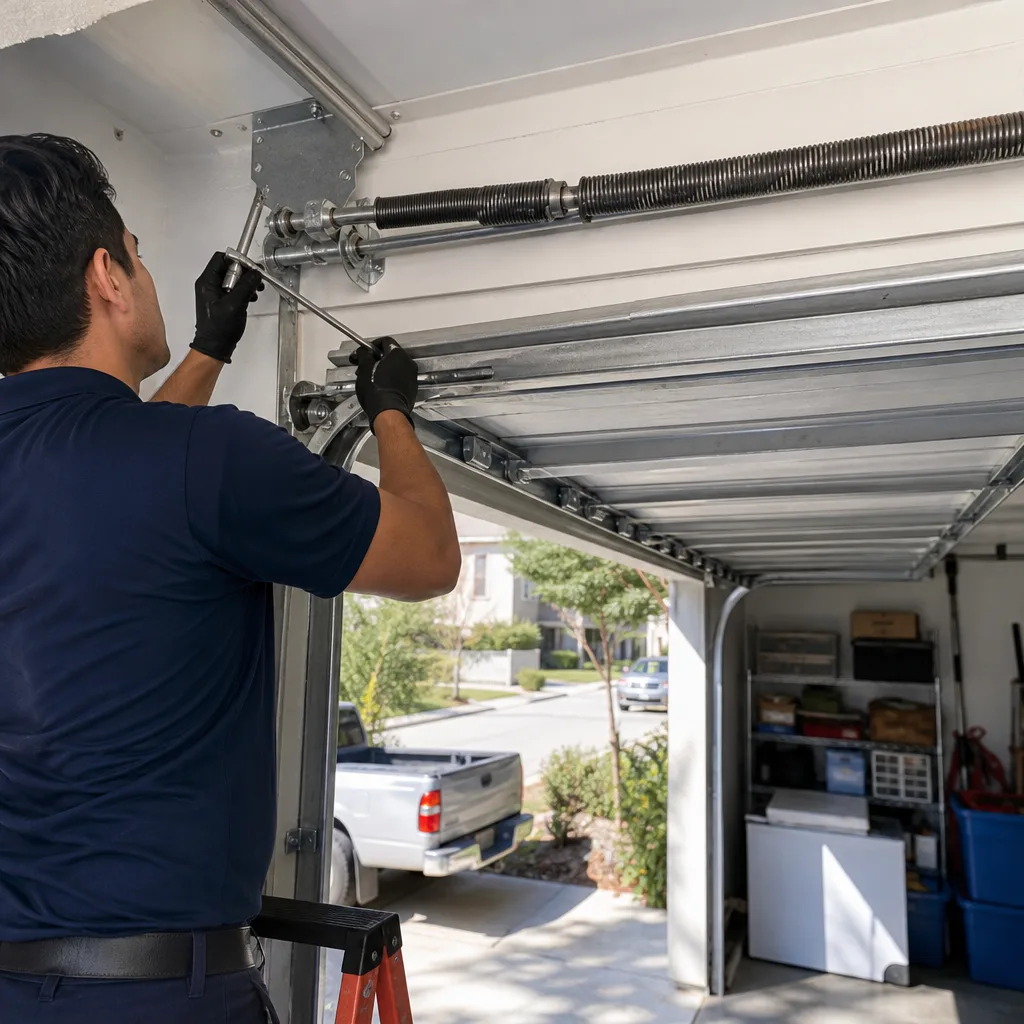 After
AfterWhen to Call a Professional
Call a professional if you hear a loud bang from the garage and the door won’t move. Call if you see frayed cables or a broken spring. Call if the door opens crooked, drops hard on the way down, or reverses without anything in the beam path. Call if the opener hums but the door doesn’t move. Call if you see daylight under a closed door or dust piles inside the garage every week. And call if your HOA has flagged your door for a violation and you need the spec corrected.
Garage door springs, cables, and tracks are under high tension. They are the one household system we strongly suggest you not repair yourself. Brock Garage Doors Santa Clarita offers free estimates in Santa Clarita. Call (661) 592-1666 and a real person will answer, day or night.
Frequently Asked Questions
A quality steel garage door in Santa Clarita lasts 15 to 20 years on average, with springs lasting 7 to 10 years and bottom seals 2 to 3 years due to inland heat. Insulated double-layer doors last at the high end of that range. Call (661) 592-1666 for an honest assessment of your door’s remaining life.
Most repairs run between $150 and $400, with spring replacement at $150 to $275 per spring and cable replacement at $150 to $275 depending on cable type and drum condition. Every repair includes a written price before work begins and a written 365-day guarantee. Call (661) 592-1666 for a free estimate.
Yes. A live person answers our phones 24/7, and we schedule same-day repair calls across Santa Clarita including Valencia, Newhall, Canyon Country, and Saugus. Most spring and cable repairs are completed in one visit because our trucks carry the common parts for LiftMaster, Chamberlain, Genie, Clopay, Amarr, Wayne Dalton, Craftsman, and Raynor systems.
No. The price we hand you in writing before work starts is the price you pay. If we find something unexpected once the door is open, we stop, show you, explain it, and get your written approval on any revision before touching another bolt. No surprises, ever.
Yes. Our technicians carry a full inventory of springs, cables, rollers, sensors, and opener parts for the major brands we service. The goal is one visit, one repair, done right, guaranteed in writing for 365 days.
Repairs that restore the door to its original appearance do not require HOA approval. Replacement doors, color changes, window additions, or decorative hardware do require architectural review in most Stevenson Ranch, Valencia, and Saugus communities. We’ll help you get the spec right for your HOA before you order anything.
The Bottom Line
Santa Clarita’s heat, dust, and HOA rules make garage doors here a different animal than coastal LA. Springs fail sooner. Seals rot faster. Panels warp in dark colors. The answers are straightforward: buy high-cycle springs, maintain rollers and seals twice a year, keep sensors code-compliant, and check HOA rules before any visible change. When something goes wrong, get a written price before the work starts, make sure the guarantee is in writing, and use a local company that carries the parts on the truck. Your garage door is a mechanical system, not a mystery. Treat it with the same maintenance discipline as your car and you’ll get two decades out of it in Santa Clarita. For more guides & resources, visit our blog.
Need a repair or replacement in Santa Clarita? Call Brock Garage Doors Santa Clarita at (661) 592-1666 for a free, written estimate. A live person answers 24/7, and every job carries the 365-Day Done Right Promise in writing.
Written by Wade Mercer, Owner at Brock Garage Doors Santa Clarita, serving Santa Clarita since 2001.