
Last updated October 16, 2026
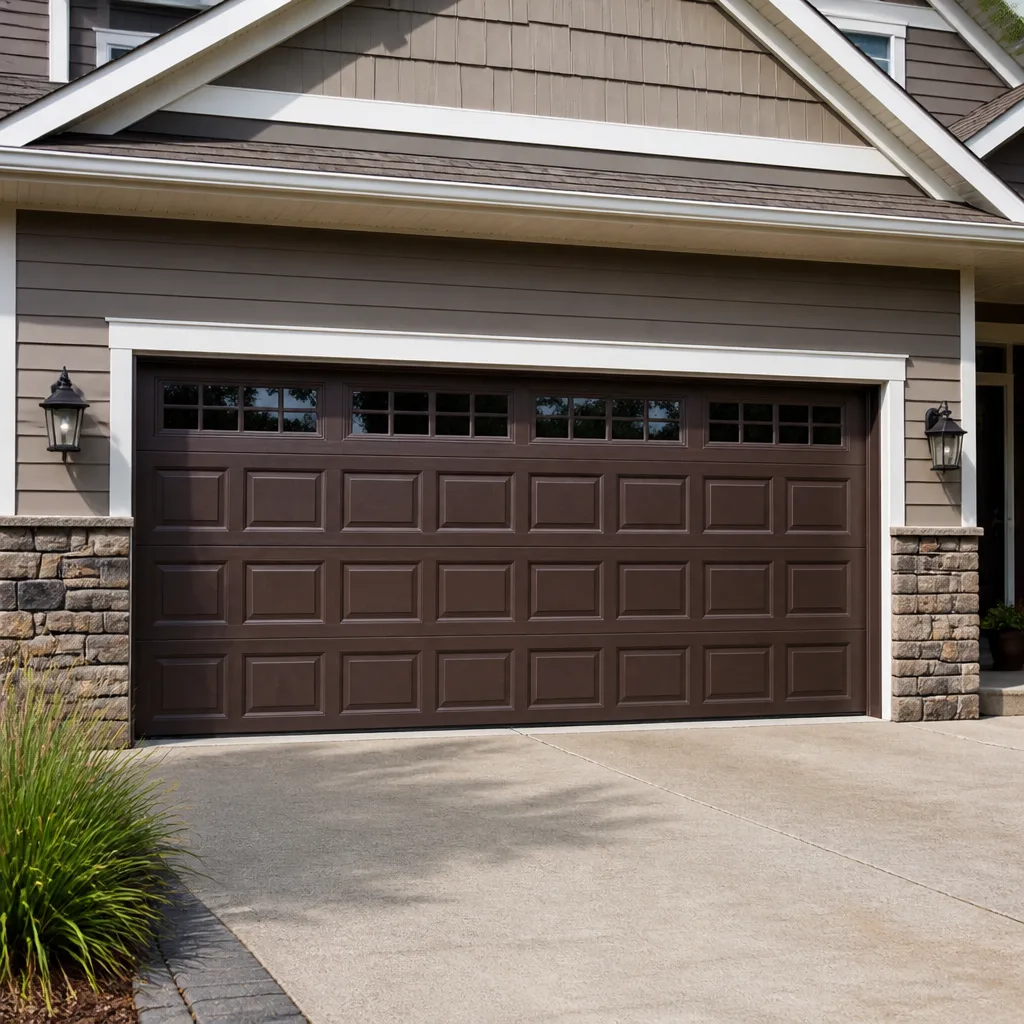 Raised-panel steel
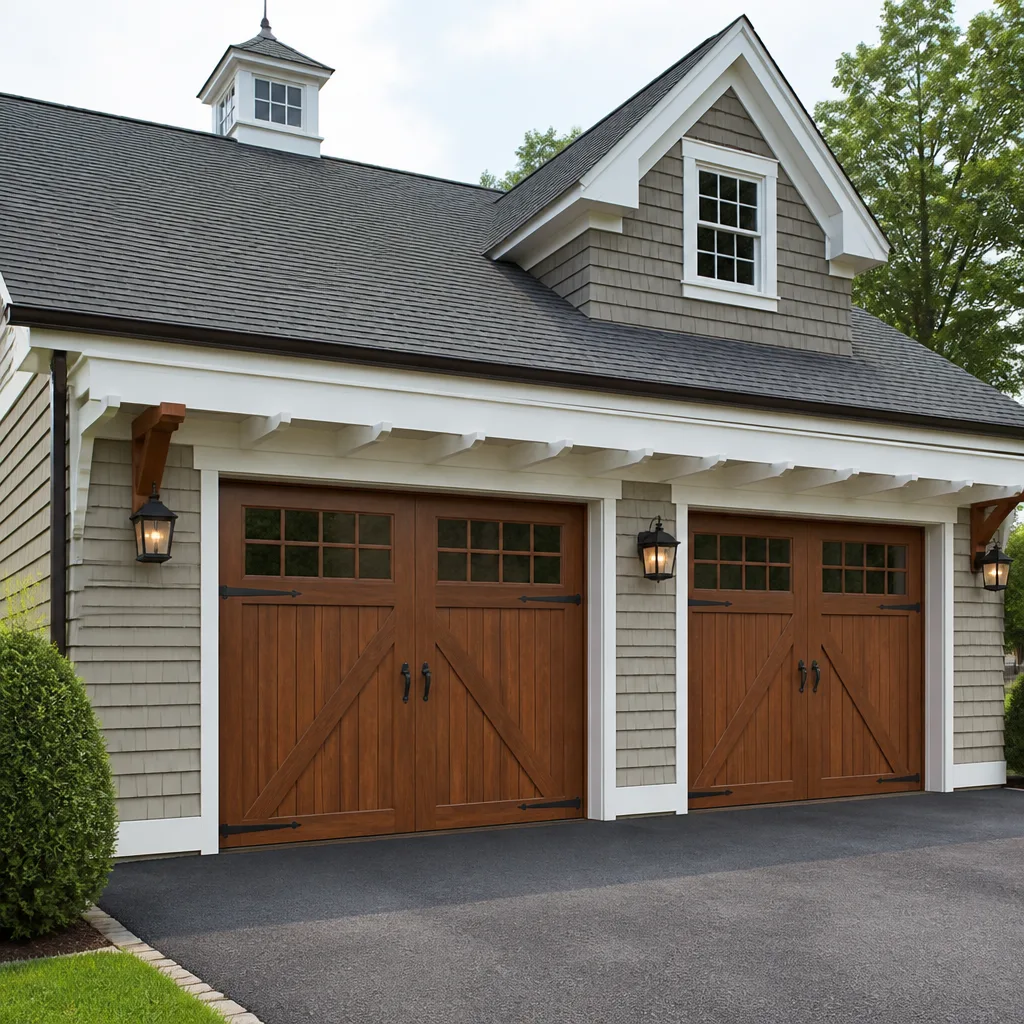 Carriage house
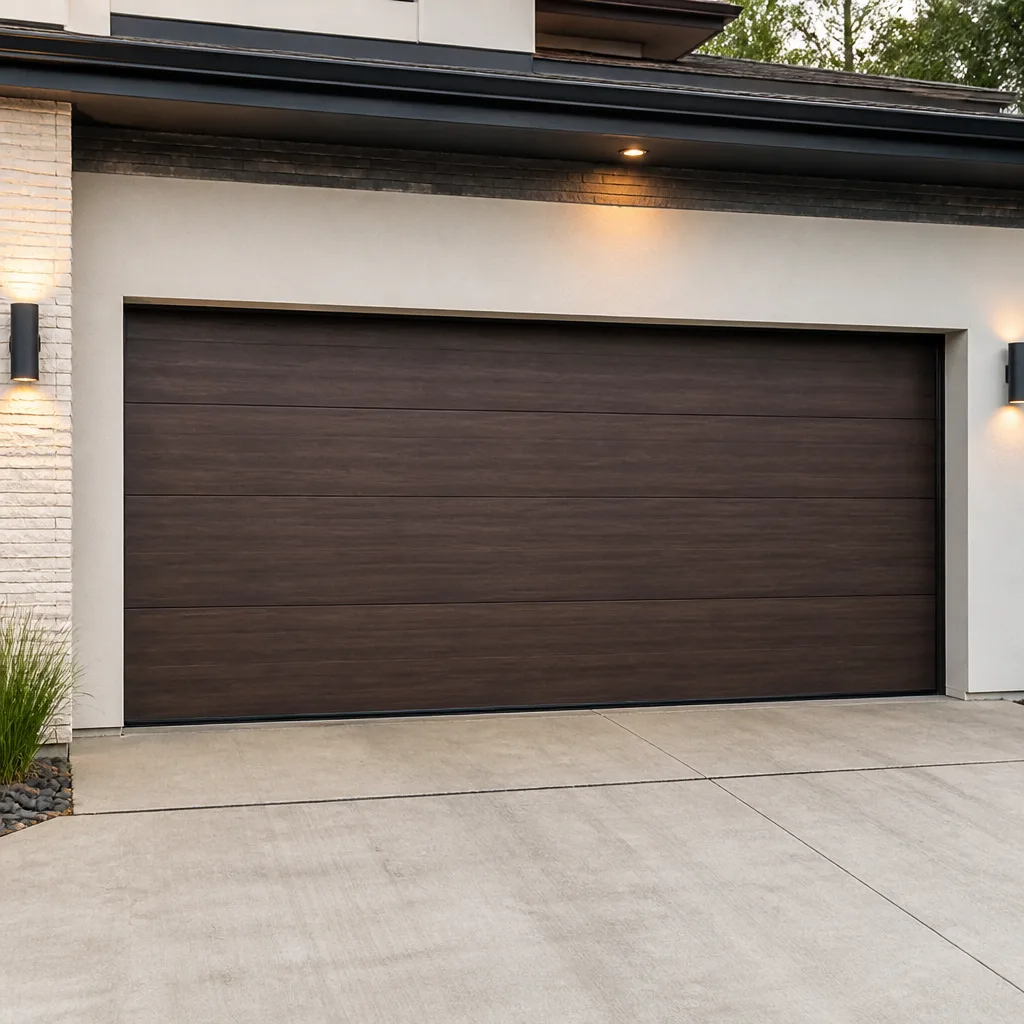 Modern flush
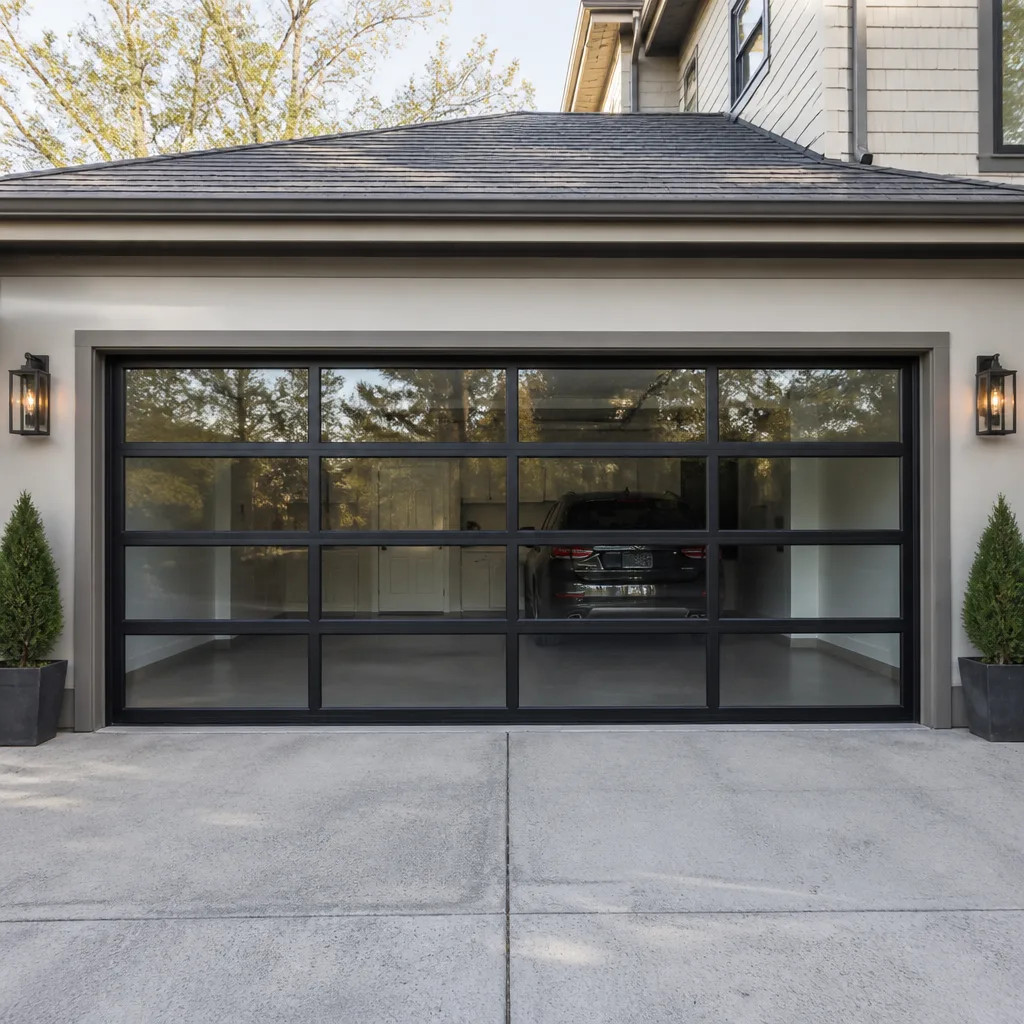 Full-view glass
 LiftMaster openers
 Chamberlain openers
Full 25-point door and opener safety check with every visit - springs, cables, rollers, tracks, and your LiftMaster or Chamberlain opener included
You get a price before we start. It does not change when the truck arrives.
Get your free estimateGarage Door Permits, Codes & Inspections in CA: What You Need to Know
A new garage door opener installation typically doesn’t require a permit. A new garage door on a new opening does. A like-for-like replacement of an existing door usually sits somewhere in between, depending on where you live and what exactly you’re changing. Most licensed contractors know the difference. Most homeowners don’t. And a small number of contractors use that gap to skip permits, save a few days, and leave the homeowner holding the liability years later when a title search flags the unpermitted work. This guide draws a hard line between permit-required and permit-exempt garage door work in California, with Santa Clarita specifics you won’t find in Garage Door Warning Signs: A Santa Clarita Homeowner’s Reference Guide or other generic resources.
Quick Answer
In California, garage door work is permit-exempt when it’s a like-for-like repair or replacement that doesn’t alter the opening, the structure, or the door’s attachment points. A permit is typically required when you’re cutting a new opening, enlarging an existing one, converting a carport to a garage, or doing structural work that changes how the door connects to the building. In most cases, swapping an existing door or opener for a new one of similar size and weight does not require a permit in Santa Clarita or anywhere else in LA County.
Styles & brands we work with
Table of Contents
- Permit-Required vs. Permit-Exempt: The Line That Matters
- What “Like-for-Like Replacement” Means to an Inspector
- What the California Building Code Actually Says About Garage Doors
- LA County Local Amendments and Santa Clarita Requirements
- How Unpermitted Garage Door Work Shows Up in a Title Search
- How to Pull a Garage Door Permit in Santa Clarita
- Failed Inspections: Who’s Liable, the Contractor or the Homeowner
- Common Mistakes to Avoid
- When to Call a Professional
- Frequently Asked Questions
Permit-Required vs. Permit-Exempt: The Line That Matters
California residential building permits are governed by the California Residential Code (CRC), which is Title 24, Part 2.5 of the California Code of Regulations. Section R105 of the CRC lists work exempt from permit requirements. The key exemption for garage doors falls under what inspectors call “ordinary repairs.” An ordinary repair is work that replaces or restores existing components without changing the system’s design, capacity, or function. Here’s the practical split for garage door work:
Permit-exempt work generally includes:
- Replacing a broken torsion spring, extension spring, or cable
- Replacing a damaged panel on an existing sectional door
- Swapping a door opener for a new model of the same type (belt, chain, or screw drive)
- Replacing the entire garage door when the new door matches the original’s size, weight, and attachment method
- Repairing or replacing tracks, rollers, hinges, and brackets that mount in the same locations
Permit-required work typically includes:
- Cutting a new garage door opening in an exterior wall
- Widening or heightening an existing opening, which means altering the header
- Converting a carport or patio into an enclosed garage
- Replacing a non-load-bearing door with a significantly heavier model that changes the structural load path
- Adding a second garage door where one did not exist before
In Santa Clarita, the Building and Safety Division follows the CRC and the Los Angeles County Building Code, which adopts the state code with county-specific amendments. We’ve seen homeowners in Valencia, Canyon Country, and Newhall assume that any garage door replacement automatically needs a permit, which leads to unnecessary delays. We’ve seen others assume nothing ever needs a permit, which is how problems start. The actual requirement depends on what you’re changing, not on how much you’re spending.
One note that doesn’t fit cleanly into either list: if you’re replacing a door in a fire-rated wall, such as a garage wall shared with living space, the new door needs to meet the same fire-rating requirements. That’s a code compliance issue rather than a permit issue, but an inspector will check it if they ever review the work. A reputable contractor flags this during the estimate, not after the door is hung.
What “Like-for-Like Replacement” Means to an Inspector
The short answer: a like-for-like replacement means the new door performs the same function in the same location using the same structural connections as the old door, without changing the opening size, the header condition, or the wall assembly. A Santa Clarita building inspector uses a narrower definition than most homeowners realize.
When we say “same size,” we mean it literally. An inspector cares about the rough opening dimensions: the width between the framing studs and the height from the floor to the header underside. If your old door was 16 feet wide and 7 feet tall, and the new door is also 16 by 7, that’s a match. If you’re going from a 16-by-7 to an 18-by-8, that’s an opening alteration, not a replacement. You need a permit, and you may need a structural engineer to verify the new header sizing.
When we say “same attachment method,” we mean the door’s track system mounts to the same framing members without modification. A standard sectional door mounts to the wall jambs and the ceiling or a top bracket. If the new door’s track layout requires moving or adding framing, an inspector will consider that a modification to the structure. That’s not ordinary repair.
Weight matters more than most homeowners expect. A door’s weight determines the spring requirements, the track gauge, and the load transferred to the wall and ceiling framing. If you replace a lightweight aluminum single-car door with a solid steel or insulated double-car door, the load path changes significantly. A Clopay insulated steel door can weigh 40 to 50 percent more than an older non-insulated model of the same size. That additional weight concentrates on the spring anchor bracket and the track attachment points. If the framing wasn’t designed for that load, you’ve created a structural concern an inspector may flag.
The cleanest way to confirm your project qualifies as like-for-like before you skip the permit step: have a contractor measure the rough opening, note the door material and weight, and confirm in writing that the replacement does not alter the opening, the header, or the attachment points. That written confirmation won’t override a building department’s determination, but it gives you a defensible position if a question ever comes up during a sale or a refinance.
What the California Building Code Actually Says About Garage Doors
The California Building Code (CBC) and the California Residential Code (CRC) address garage doors in several places. Here’s the plain-English version of what each section requires, without the legalese:
Section R309 – Garages and Carports
This section sets the fire separation rules between a garage and the living space. The door between a garage and a house interior must be a solid wood door not less than 1-3/8 inches thick, a solid or honeycomb-core steel door, or a 20-minute fire-rated door. It also requires a self-closing hinge or closer on that pedestrian door. For the vehicle door itself, the CRC requires the door to be listed and labeled if the garage is attached to the house and the wall is part of the fire separation. That’s why garage door manufacturers publish fire-rating documentation: a door listed as a 20-minute door has been tested to resist fire passage for that period. Amarr and Wayne Dalton both publish fire-rated options for attached garages, and the labeling is stamped on the door panel itself, not just in the catalog.
Section R308 – Glazing
Any glass in a garage door, including windows in the top section, must meet safety glazing requirements. Tempered glass is required in any door window that’s within 24 inches of the door edge, within 60 inches vertically of a walking surface, or in any hazardous location as defined by the code. Most garage door windows sold today are tempered as standard, but older doors with single-pane annealed glass do not meet current code. If you’re replacing a door with windows, the replacement glass must comply even if the original didn’t. That’s a code compliance point that shows up during resale inspections.
Section R311 – Means of Egress
This section is less about the door itself and more about the door opening’s relationship to the house. A garage door is not considered an egress door, but the code requires that the vehicle door not interfere with the egress path from a dwelling unit. In a converted garage or a garage with living space above, the code gets more restrictive about door clearances, header height, and side clearance.
Section R403 – Footings
If you’re adding a new garage door opening in a wall, the work includes cutting the curb or stem wall, installing a new threshold or curb, and ensuring the opening’s base is properly flashed and sealed. Section R403 governs the footing detail at the opening. A permit is required because the concrete work affects the building’s structural integrity. In Santa Clarita, with our hot summers and occasional heavy winter rains in the canyons, proper flashing at the curb line is what keeps water from wicking into the sill plate and causing rot that an inspector will flag years later.
The CRC is the minimum. Santa Clarita, like other jurisdictions in LA County, may adopt stricter local amendments. The Building and Safety Division publishes a list of permit requirements and exemptions, and the staff at the permit counter will typically answer a direct question about whether a specific project needs a permit. In our experience, they’re more helpful than not, as long as you can describe the work accurately.
LA County Local Amendments and Santa Clarita Requirements
Santa Clarita operates its own Building and Safety Division, separate from the LA County Department of Building and Safety. That distinction matters because the two entities have different procedures, fees, and turnaround times. A homeowner who moves from Stevenson Ranch (which is unincorporated LA County) to Saugus or Canyon Country (which is City of Santa Clarita) may encounter different permitting steps for the same project.
The City of Santa Clarita adopts the California Building Standards Code with local amendments that mostly affect grading, fire zones, and hillside construction, not garage doors specifically. The relevant local amendment for garage door work is the city’s zoning code, which controls garage conversions. Santa Clarita has a long history of unauthorized garage conversions, and the city’s code enforcement division looks for signs of conversion: a garage door that’s been replaced with a wall, a window AC unit in a garage wall, or a door that’s been permanently sealed. If you’re converting a garage to living space, you need permits for the entire conversion, not just the door work. If you’re simply replacing a garage door, the zoning code doesn’t create additional hurdles.
Here’s what Santa Clarita specifically requires for permit-required garage door work:
- An application to the Building and Safety Division, which is located at City Hall on Valencia Boulevard
- For new openings or opening alterations: a structural plan set showing the header, jamb, and footing details, typically prepared by a licensed engineer
- For fire-rated doors in attached garages: product cut sheets showing the door’s fire-rating label
- A site plan showing the garage location relative to the property lines
- Payment of the plan check fee and the permit fee, which the city calculates based on the valuation of the work
The timeline for a typical garage door replacement permit is one to two weeks for plan check if plans are required, plus a few days for issuance. The permit fee for a simple door replacement, where a permit is required, is generally in the $150 to $400 range depending on the project valuation, though the city’s fee schedule changes periodically and you should confirm the current number at the counter.
In our work across Santa Clarita, Valencia, and Newhall, most residential garage door replacements are permit-exempt. That’s the most common scenario we see: a homeowner replaces a 16-by-7 door with another 16-by-7 door, keeps the same track layout, and the city never gets involved because the code doesn’t require it. The important part is confirming you’re actually in that category, and getting that confirmation from someone who knows the local amendments, not just someone who read Garage Door Repair Maintenance Checklist for Santa Clarita Homeowners or another blog post.
How Unpermitted Garage Door Work Shows Up in a Title Search
A title search doesn’t directly list unpermitted work. Title companies search recorded documents: deeds, liens, easements, and recorded permits. Unpermitted work typically doesn’t show up in the title report because there’s no record of it. What shows up instead is the absence of a record. Here’s how it unfolds during a sale.
A buyer’s home inspector, walking through a garage in Valencia or Canyon Country, notices that the door is a different size than the rough framing would suggest, or that the header above the door has been visibly modified, or that a second door was added where the original floor plan shows a window. The inspector notes it in the report. The buyer’s agent then pulls the city’s permit history for the property. The City of Santa Clarita maintains permit records by address, and a buyer or their agent can request the record. If the permit history shows no permit for the work the inspector identified, the buyer now has a problem to resolve.
That problem typically resolves in one of three ways:
- The seller pulls a retroactive permit before closing. Santa Clarita will process a permit application for existing work, but it triggers an inspection of the work, which may require opening up walls if the inspector can’t see the structural details. The seller pays for the permit, the inspection, and any corrective work required to bring the installation into compliance.
- The buyer asks for a price reduction or credit to cover the cost of pulling the permit and fixing any deficiencies. A typical credit for unresolved permit issues on a garage door ranges from $1,000 to $5,000, depending on the complexity and what the inspector finds.
- The deal dies. If the seller won’t resolve it and the buyer won’t accept it, the transaction collapses. We’ve seen it happen in a competitive Santa Clarita market where the seller assumed a cash buyer wouldn’t care. Cash buyers still order inspections. They still check permit history.
The lesson is simple: skipping a permit saves a few hundred dollars today and creates a five-figure negotiation leverage point for the buyer later. The City of Santa Clarita’s permit history is a matter of public record, and any competent buyer’s agent in this market knows how to pull it.
How to Pull a Garage Door Permit in Santa Clarita
If your project genuinely requires a permit, the process in Santa Clarita is straightforward if you know what you’re walking into-see How to Hire a Garage Door Contractor in Santa Clarita: A Step-by-Step Guide for help choosing the right professional. Here’s the step-by-step, based on the city’s current procedure:
- Determine whether you need a permit. Call the Building and Safety Division at (661) 592-1666 or visit the counter at City Hall. Describe the work precisely: the existing door size, the new door size, whether the opening is being altered, and whether any framing is being touched. The counter staff will give you a verbal answer, and you can request it in writing via email if you want a record.
- Prepare your drawings, if required. For a straightforward like-for-like replacement that somehow triggers a permit requirement, the city may accept a site plan and a product cut sheet. For a new opening or an altered opening, you’ll need a structural drawing showing the header, the jack studs, the king studs, and the footing. A licensed structural engineer in Santa Clarita will typically charge $500 to $1,500 for this drawing, depending on the scope.
- Submit the application and pay the plan check fee. The city accepts permit applications in person and, for many residential projects, through its online portal. The plan check fee is paid at application. For a garage door project with structural drawings, plan check usually takes 10 to 14 business days.
- Receive your permit and schedule inspections. Once the permit is issued, you can begin work. The permit will list the required inspections, which for garage door work typically includes a framing inspection (if the opening was altered) and a final inspection. Santa Clarita inspectors are generally available within a few days of a request, and you can schedule by phone or through the city’s inspection request line.
- Pass the final inspection and close the permit. The inspector verifies that the door is installed per the approved plans, the operation meets code, and the fire-rated components (if required) are labeled and documented. Once the inspector signs off, the permit is closed and the work is on the permanent record.
If you’re working with a contractor, the contractor should handle the permit application, the scheduling, and the inspections as part of the job. That’s part of what you’re paying for. If the contractor tells you the permit is your responsibility, that’s a red flag, not a courtesy.
Failed Inspections: Who’s Liable, the Contractor or the Homeowner
The short answer: if the contractor pulled the permit, the contractor is responsible for correcting the work and passing the inspection. If the homeowner pulled the permit and hired someone to do the work without a contract that assigns inspection responsibility, the homeowner owns the liability.
Under California contractor law, a licensed contractor who obtains a permit and performs the work is responsible for completing the work to code and achieving inspection approval. That responsibility doesn’t end when the truck leaves. If the inspection fails because the header is undersized or the flashing is wrong, the contractor must come back and fix it, and the contractor typically eats the cost of the correction unless the failure came from the homeowner changing the scope after the permit was issued.
The problem comes when the work is done without a permit and an inspection happens later, during a sale or a refinance. In that situation, the contractor may be long gone, the homeowner has no written agreement assigning liability, and the correction cost lands on whoever owns the house at the time the inspector finds the problem. That’s why a written contract matters. A proper contract states who is responsible for permits, who schedules inspections, and what happens if the work fails inspection. Our own policy is simple: we put the scope of work in writing, we state in the contract which permits are required and who handles them, and our 365-day written guarantee on repairs means that if something we touched fails, we come back and fix it at no charge. That’s what a liability allocation should look like in writing.
One more reality check: a failed inspection doesn’t just cost money. It creates a record. The City of Santa Clarita records inspection results on the permit file, and a failed inspection that isn’t resolved sits there indefinitely. The next time anyone pulls the permit history on the property, the unresolved inspection shows up. It’s a small detail, but it’s exactly the kind of thing that kills a deal nine months after you thought the garage door was done.
Common Mistakes to Avoid
- Assuming every garage door replacement needs a permit. That assumption costs you time and money. A like-for-like replacement of an existing door with a door of the same size and type is exempt in most Santa Clarita homes. Confirm before you pay for a permit you don’t need.
- Assuming no garage door replacement ever needs a permit. The opposite error is worse. Widening an opening, adding a door, or converting a carport all trigger a permit, and skipping it creates a title-search problem that surfaces exactly when you’d rather it didn’t: during the sale.
- Trusting a contractor who says “we never pull permits for this.” A contractor who says that is telling you they’ll cut corners to save time. If the work is permit-required and you skip it, you own the problem, not the contractor. Their truck is gone; your house stays on the record.
- Replacing a door with a significantly heavier model without checking the spring and track requirements. A heavier door changes the load path, and an inspector can flag it. A Clopay or Amarr insulated double-car door doesn’t mount the same way as a lightweight non-insulated model from 25 years ago.
- Ignoring the fire-rated door requirement on an attached garage. In Santa Clarita, most garages are attached, and the wall between the garage and the living space is a fire separation. The vehicle door on that wall needs a fire-rating label if the code requires it for your assembly. Skipping that detail is a code violation that a home inspector will catch.
- Not keeping the paperwork. If your project is permit-exempt, keep the contractor’s written confirmation that the work was like-for-like and code-compliant. If it required a permit, keep the signed permit card. Either document is worth its weight in a future negotiation.
- Accepting a verbal estimate without a written line-item scope. A verbal number tells you nothing about what’s included, what permits are handled, and what happens if something goes wrong. Get it in writing before the work starts, and make sure the permit responsibility is stated.
When to Call a Professional
Call a professional when the project involves any of the following: a new opening or an altered opening, a fire-rated wall, a door that’s significantly heavier than the one it’s replacing, a spring or cable system that’s under tension, or any situation where you’re not confident the work is permit-exempt. Garage door springs carry enough tension to cause serious injury, and the structural work around a door opening isn’t a weekend project. If you’re in Santa Clarita and you’re not sure whether your door replacement triggers a permit, calling the city is a good first step, and calling a licensed contractor for a written scope is a good second step. Brock Garage Doors Santa Clarita offers free estimates in Santa Clarita. Call (661) 592-1666 and a live person will answer, day or night.
Frequently Asked Questions
A garage door permit in California typically costs between $150 and $400 when a permit is required, with most of the fee based on the project’s valuation. In Santa Clarita, the Building and Safety Division calculates the permit fee from the declared value of the work, and the fee schedule changes periodically, so you should confirm the current number at the counter or by phone before budgeting. Call (661) 592-1666 if you’d like us to check the current requirements for your specific project.
No, replacing a garage door opener with a new model of the same type is an ordinary repair and does not require a permit anywhere in California. The exemption applies as long as you’re not altering the electrical circuit in a way that requires a separate electrical permit. If you’re in Santa Clarita and need Garage Door Opener Repair in Santa Clarita, we can tell you during the estimate whether your specific installation stays exemption-clean.
A garage door replacement in Santa Clarita does not need a permit when the new door is the same size and type as the old door and the opening is not altered. It does need a permit when the opening is widened, heightened, or newly created, or when the door is part of a fire-rated wall assembly that’s being modified. When in doubt, call the city’s Building and Safety Division for a written confirmation.
Yes, you can sell, but the unpermitted work creates a disclosure obligation and gives the buyer negotiation leverage. The buyer’s inspector will likely identify the unpermitted modification, and the buyer can demand a retroactive permit, a price credit, or both. In Santa Clarita’s competitive market, unpermitted garage door work commonly results in a credit of $1,000 to $5,000 at close, and sometimes kills the deal entirely.
A permit is the legal authorization to perform the work, issued by the city before the work begins. An inspection is the city’s verification, after the work is done, that the completed installation matches the approved plans and meets code. In Santa Clarita, a permit-required garage door project typically involves one or two inspections, and the permit isn’t closed until the final inspection passes.
Yes, a licensed contractor can and should pull the permit for any garage door project that requires one. The contractor’s license authorizes them to obtain permits, schedule inspections, and correct any deficiencies the inspector finds. A contractor who expects the homeowner to pull the permit is signaling that they don’t want the inspection responsibility, which is a red flag. If you need Garage Door Repair in Santa Clarita that’s done by the book, call us for a written estimate and we’ll tell you upfront whether a permit applies.
No, replacing garage door cables is an ordinary repair and is permit-exempt under the California Residential Code. Cable replacement restores the existing system to working condition without changing the door’s design or attachment points. Garage Door Cable Repair in Santa Clarita typically runs $150 to $275, depending on cable type and drum condition, and needs no permit or inspection.
The Bottom Line
The line between permit-required and permit-exempt garage door work in California is clear once you know what to look for: size, structure, fire rating, and opening alteration. Most repairs and like-for-like replacements are exempt. New openings, altered openings, carport conversions, and fire-rated assembly modifications are not. In Santa Clarita, the city’s Building and Safety Division will confirm which category your project falls into, and a licensed contractor who handles permits and inspections as part of the written scope protects you from the liability that surfaces years later during a title review. Get the determination in writing, keep the paperwork, and if you’re not sure, make the call. For more guides & resources on garage door work in Santa Clarita, visit our blog. The cost of a permit is a fraction of the cost of an unpermitted surprise.
Written by Wade Mercer, Owner at Brock Garage Doors Santa Clarita, serving Santa Clarita since 2001.
See the difference
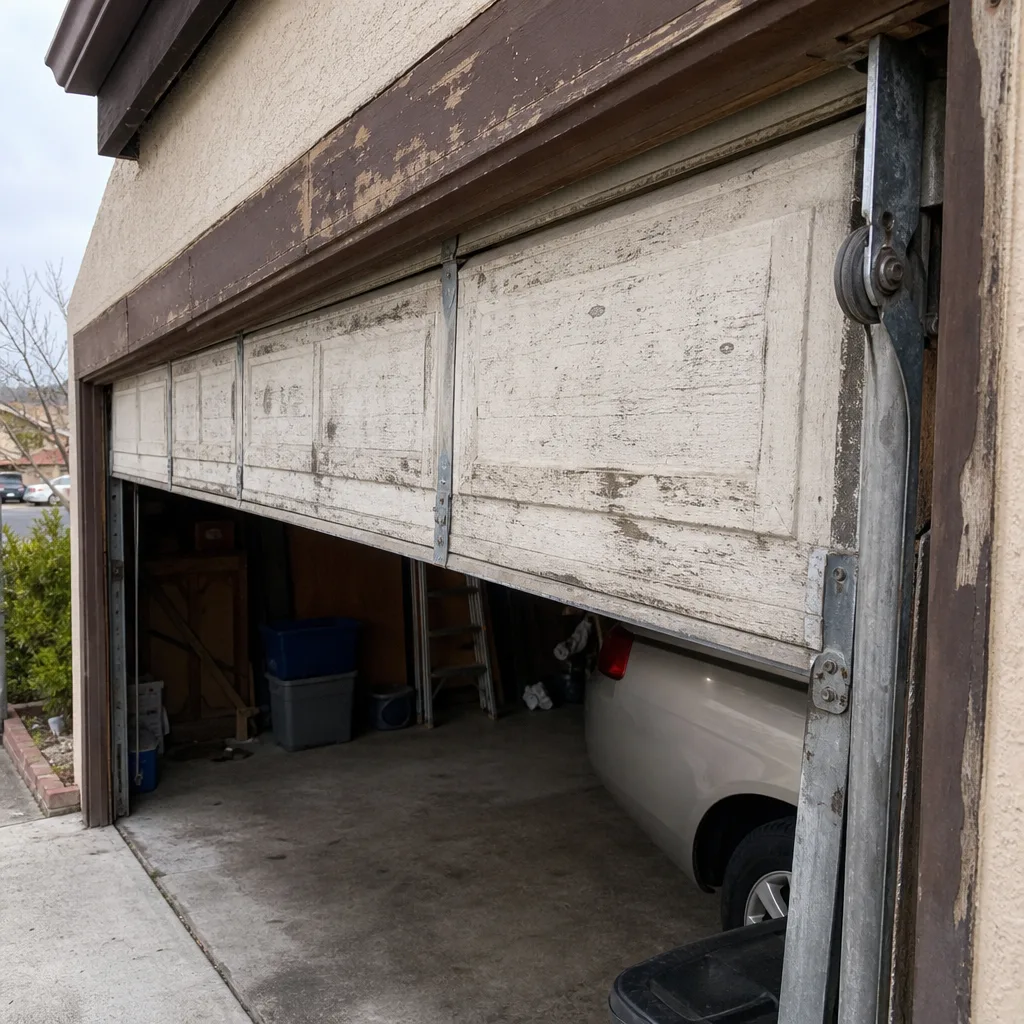 Before
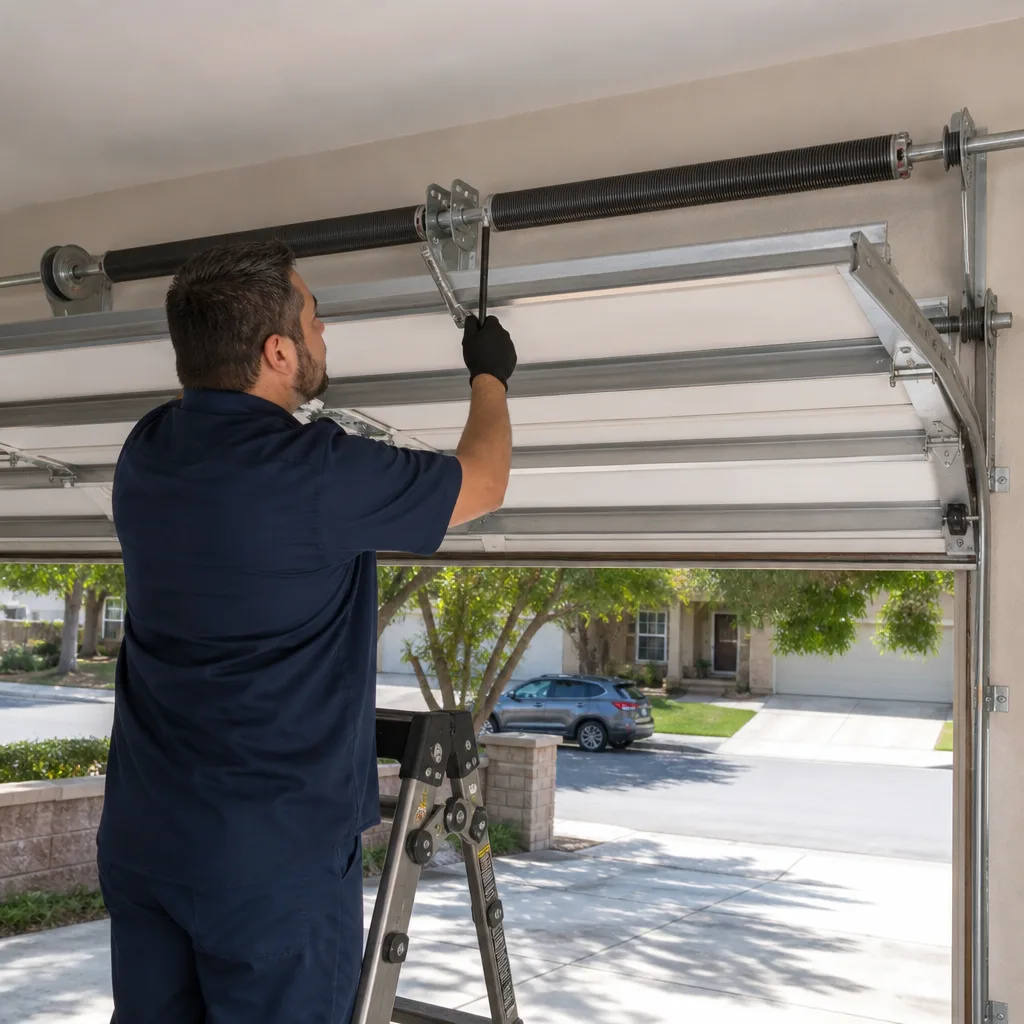 After
After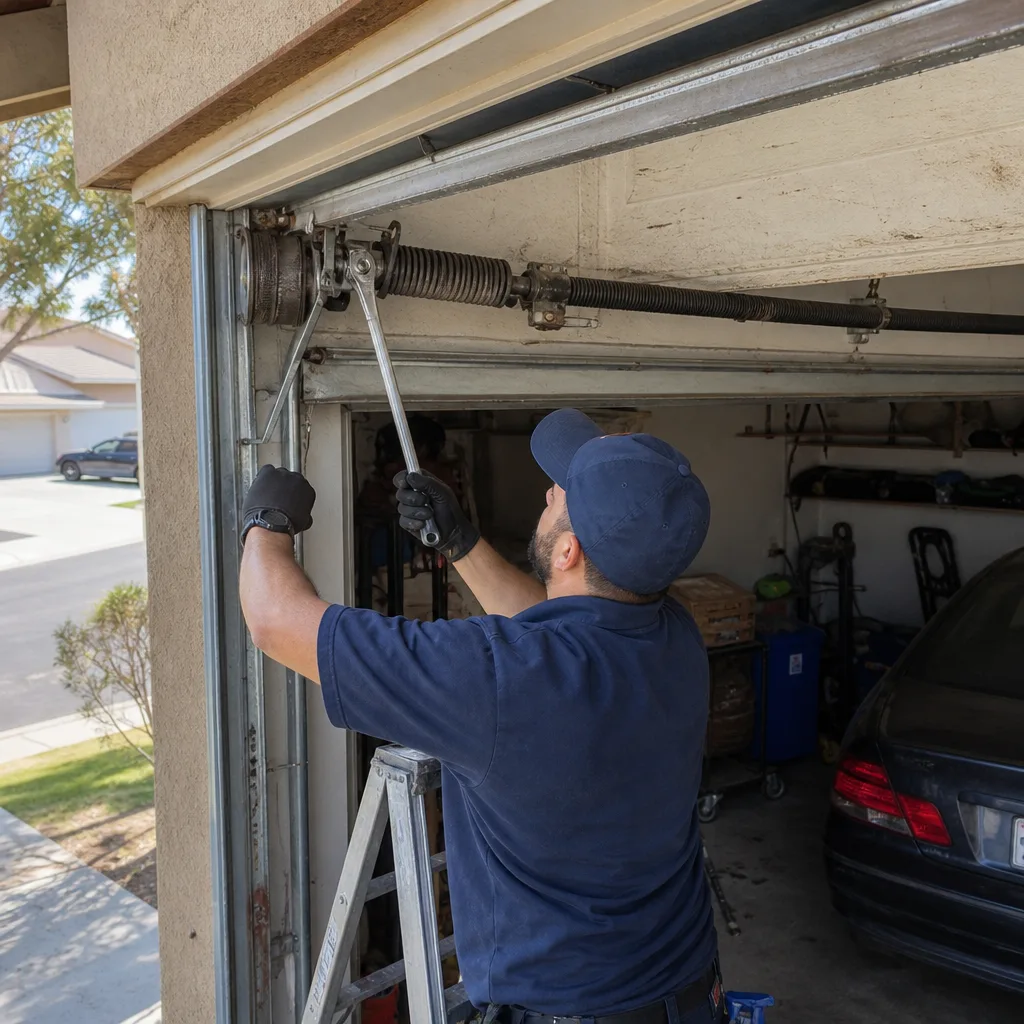 Before
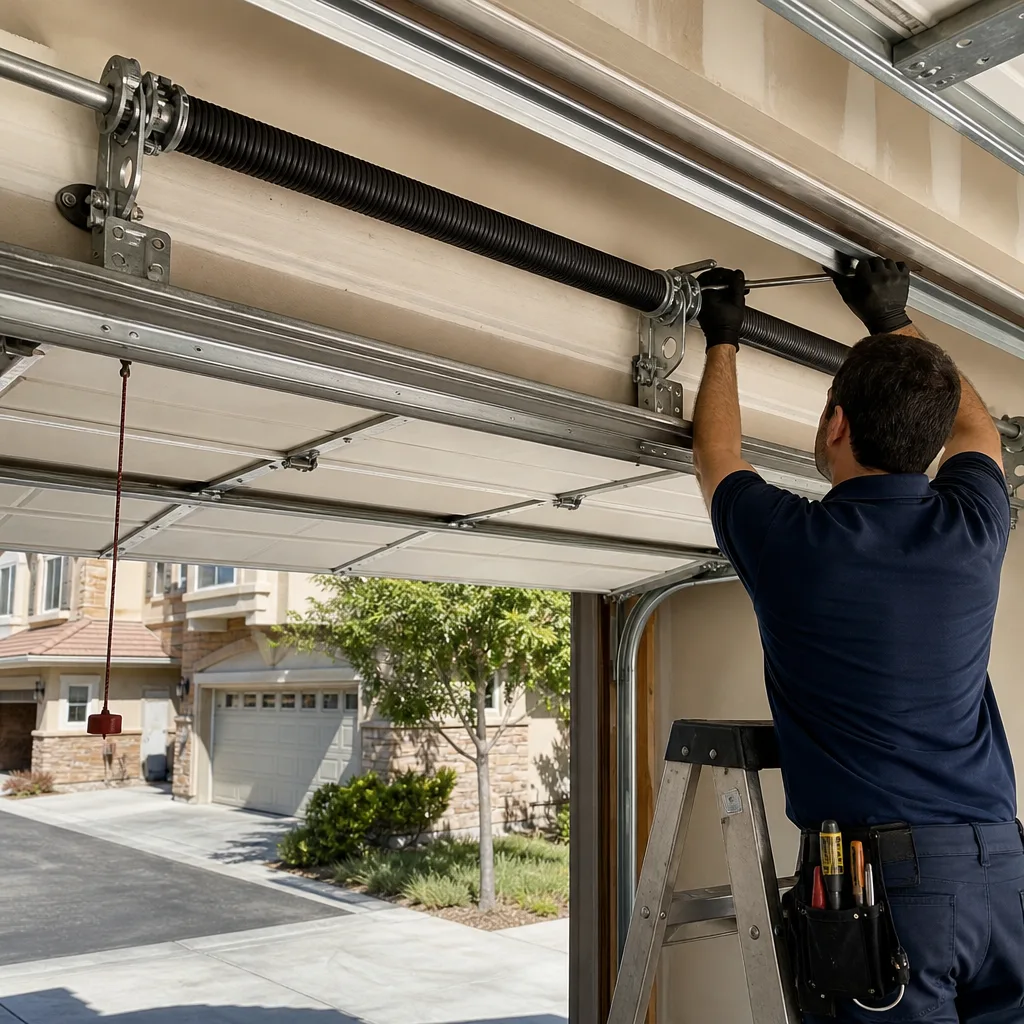 After
After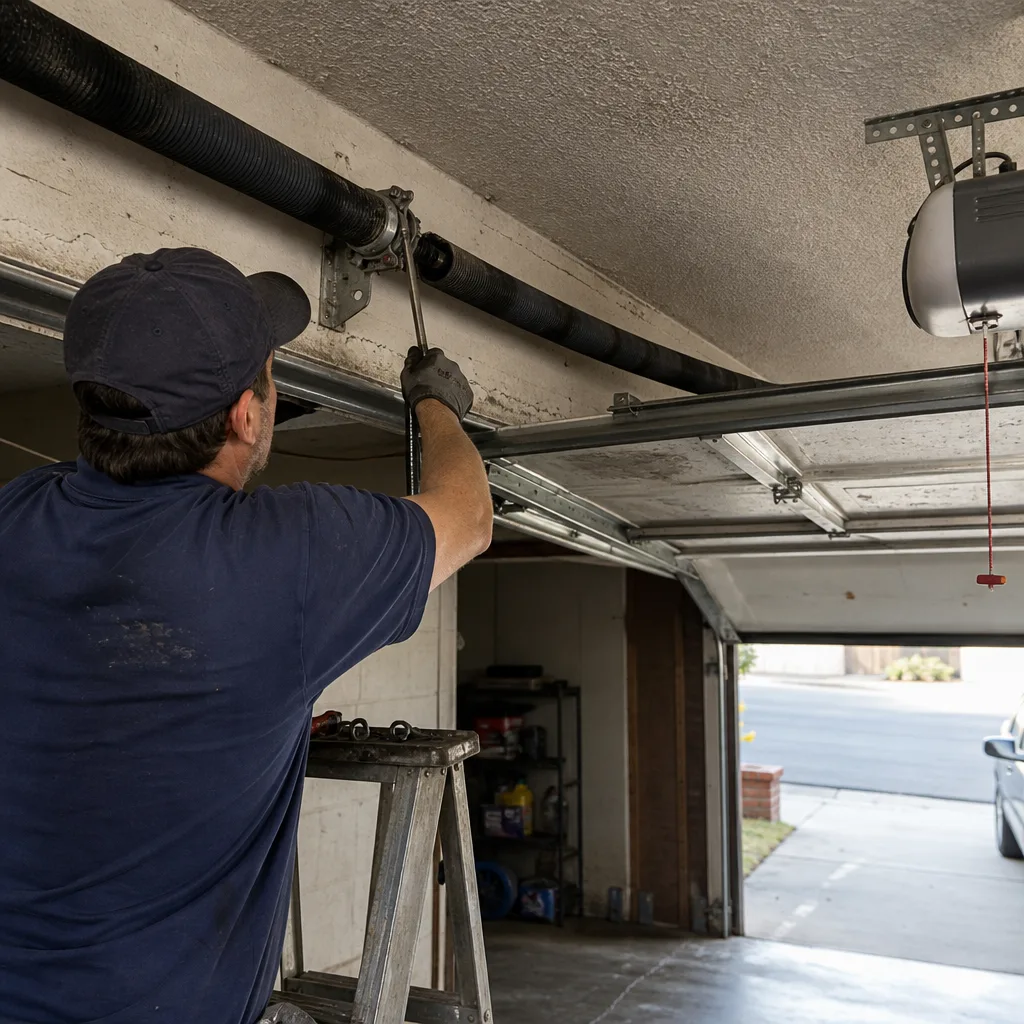 Before
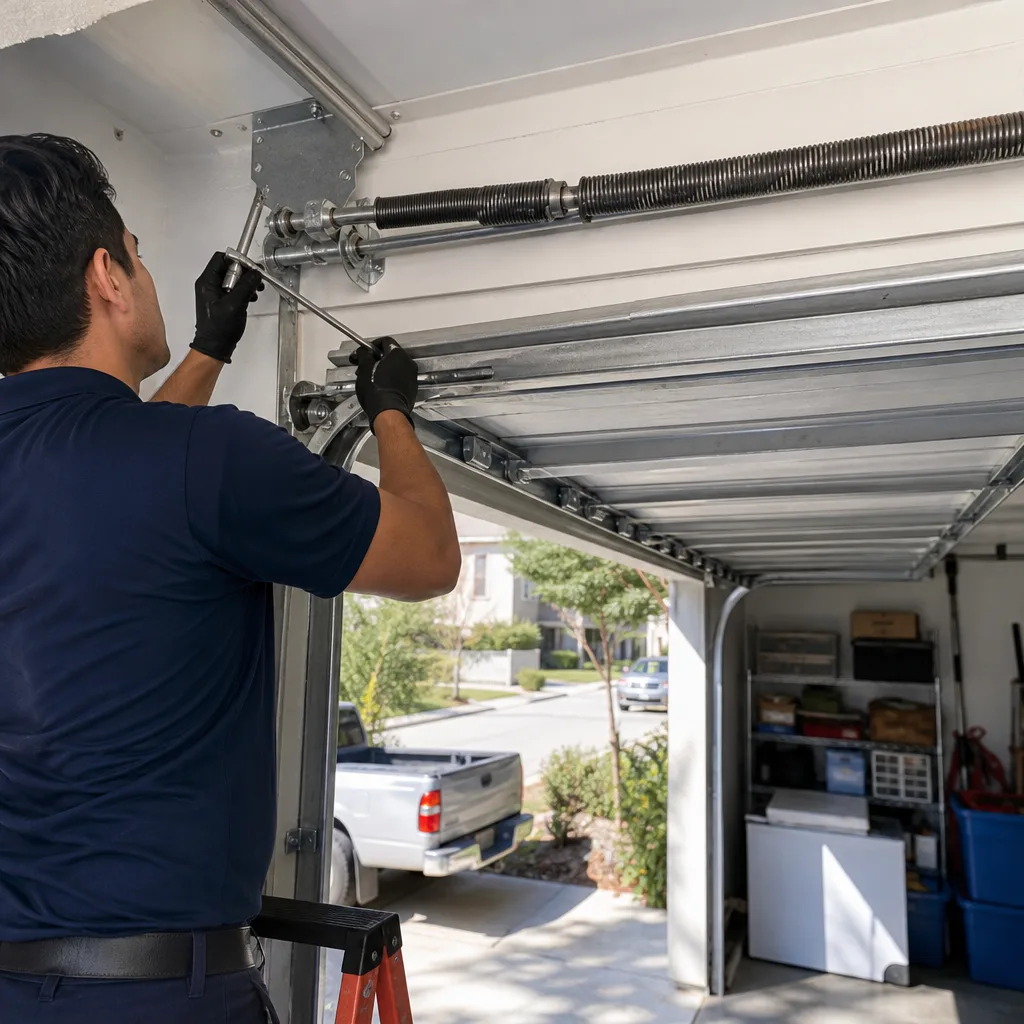 After
After