
Last updated October 16, 2026
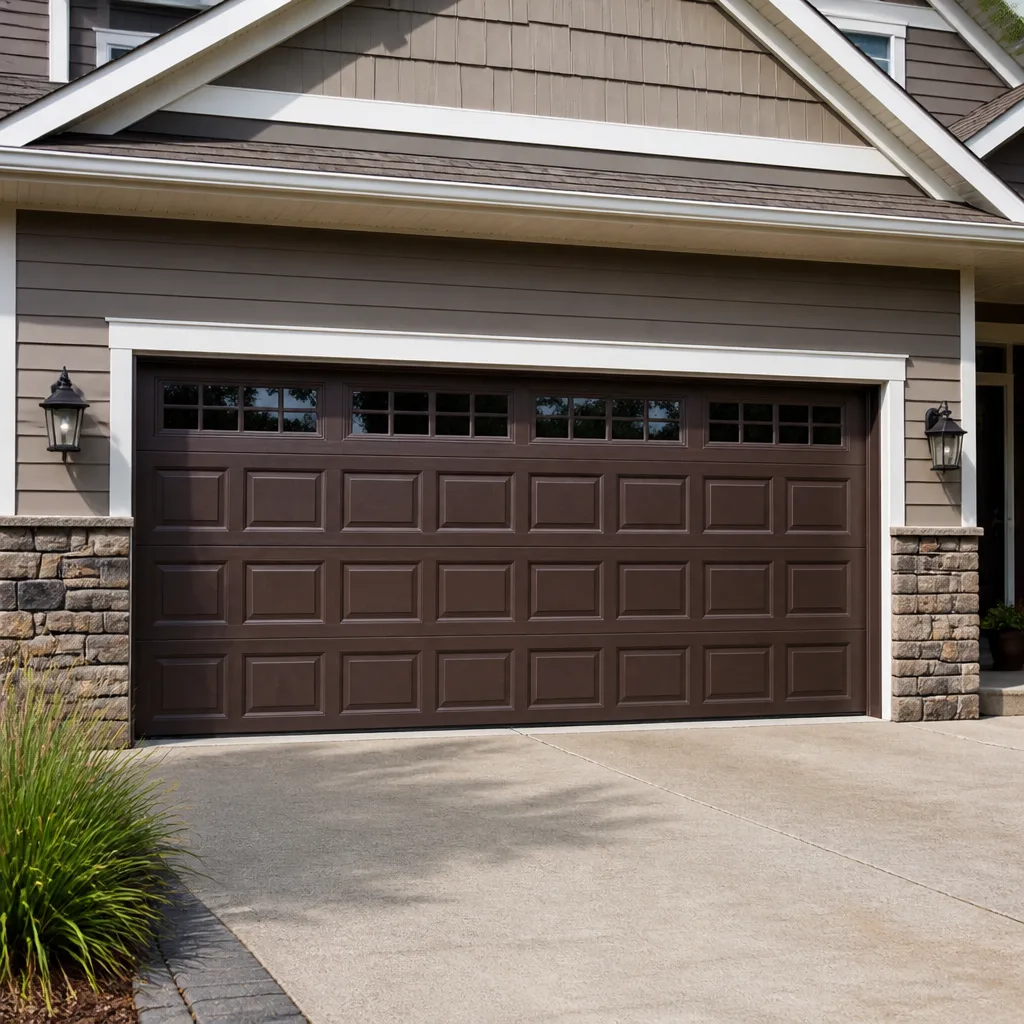 Raised-panel steel
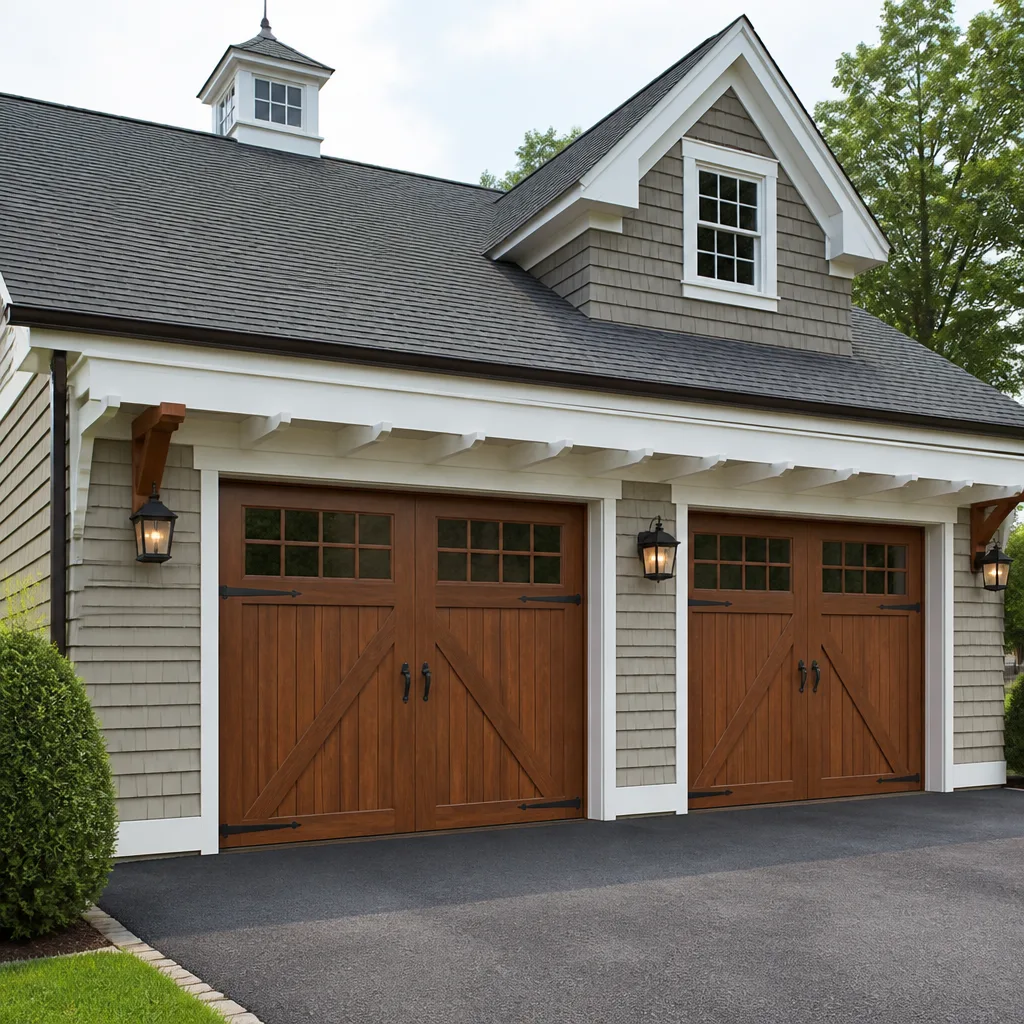 Carriage house
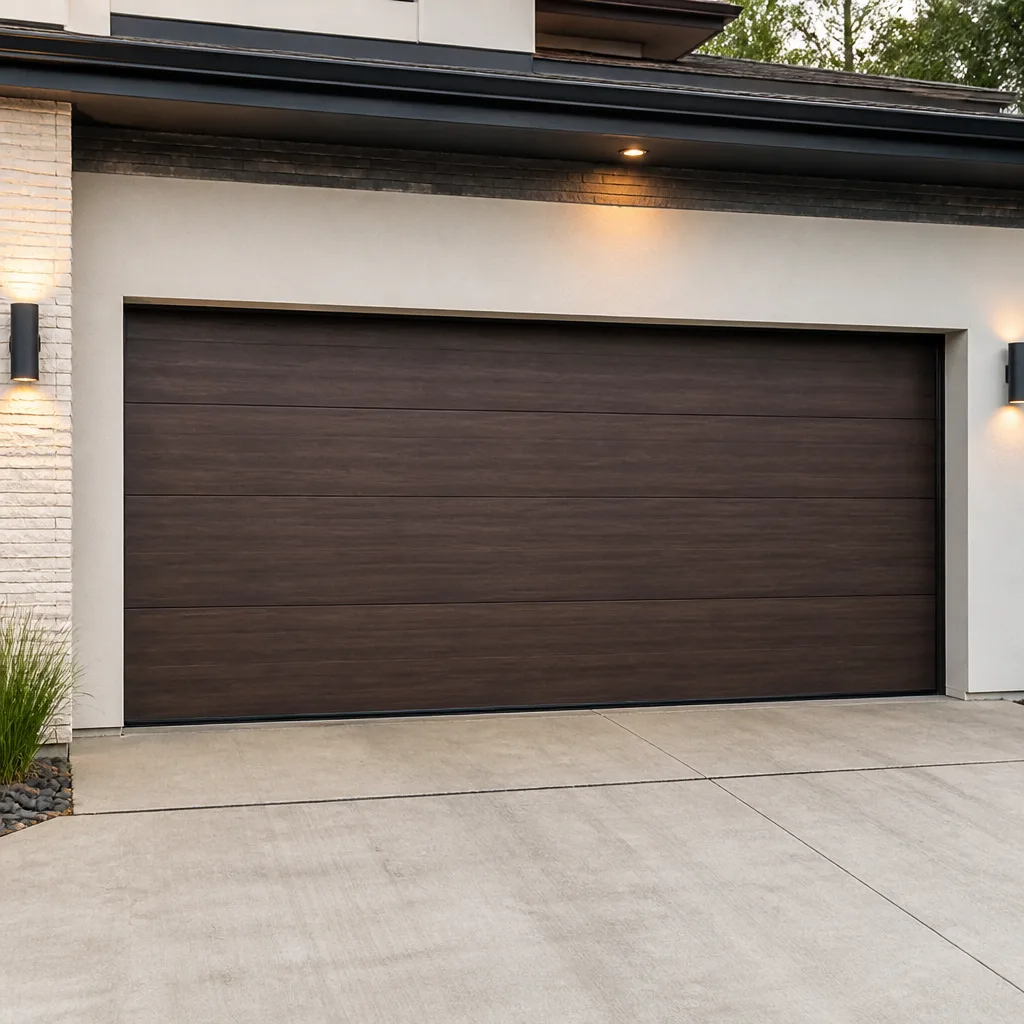 Modern flush
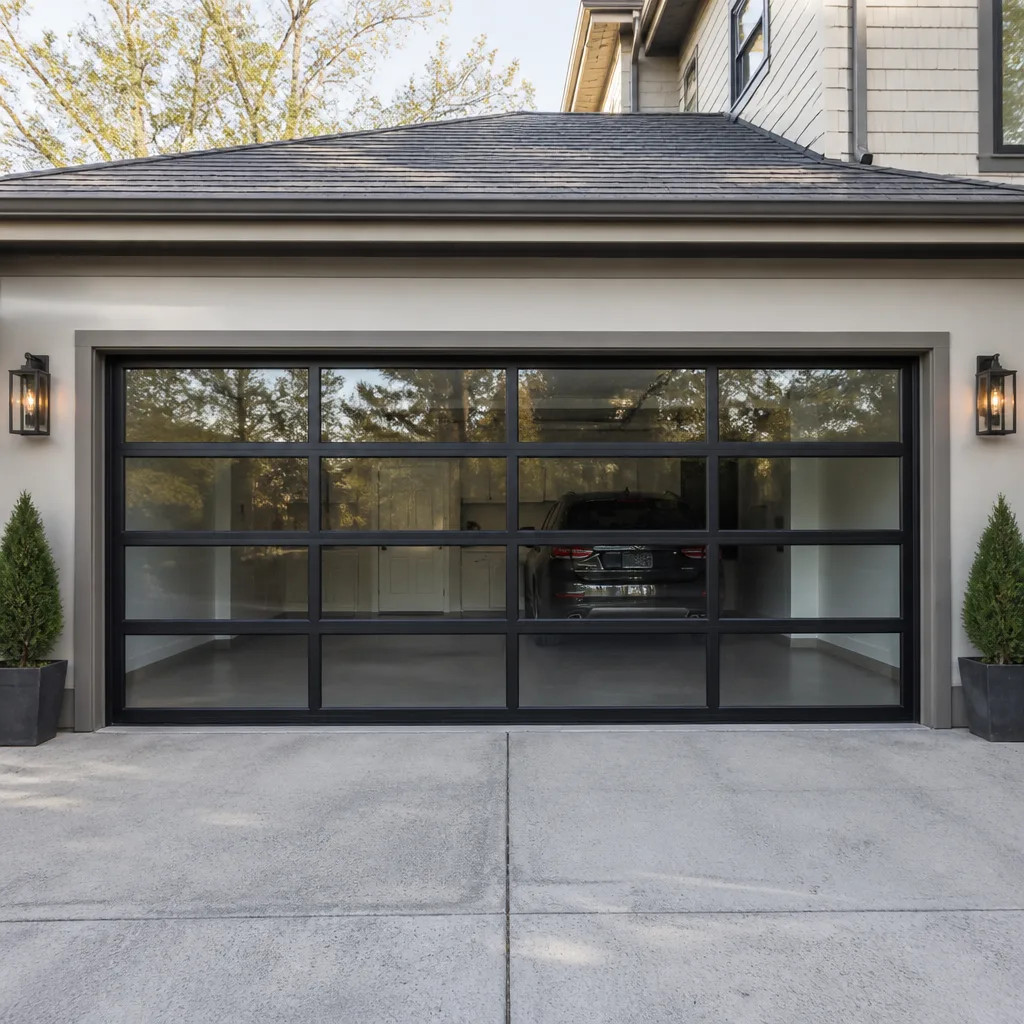 Full-view glass
 LiftMaster openers
 Chamberlain openers
Full 25-point door and opener safety check with every visit - springs, cables, rollers, tracks, and your LiftMaster or Chamberlain opener included
You get a price before we start. It does not change when the truck arrives.
Get your free estimateSeasonal Garage Door Care for Santa Clarita: Year-Round Homeowner’s Guide
The season that causes the most garage door failures in the Santa Clarita Valley isn’t winter. It’s the stretch from late June through September, when ambient temperatures push component tolerances past their rated limits. This guide explains what actually happens to your door during each of Santa Clarita’s four distinct stress periods, what to check, when to act, and what to leave alone. For a deeper dive, see The Complete Guide to Garage Door in Santa Clarita. If you own a home here, this is the maintenance reality that matters, not the generic national advice you’ll find elsewhere.
Quick Answer
Seasonal garage door maintenance in Santa Clarita means four targeted inspections per year, each addressing a specific local stress: summer heat expansion on torsion springs and rollers, fall Santa Ana wind damage to seals and track alignment, winter moisture intrusion through worn bottom seals, and spring dust and pollen buildup in tracks and photo-eye lenses. Most homeowners need 20 to 30 minutes per season, and most issues caught early cost under $200 to fix. Ignoring seasonal checks is what turns a $40 seal replacement into a $600 opener replacement.
Styles & brands we work with
Table of Contents
- Summer Heat: The Season That Actually Breaks Garage Doors in Santa Clarita
- Santa Ana Wind Season: Seals, Tracks, and the October Inspection
- Winter in Santa Clarita: Why Rain, Not Cold, Is Your Door’s Real Enemy
- Spring Dust and Pollen: The 10-Minute Cleaning Protocol
- The Santa Clarita Seasonal Task Calendar
- Common Mistakes to Avoid
- When to Call a Professional
- Frequently Asked Questions
Summer Heat: The Season That Actually Breaks Garage Doors in Santa Clarita
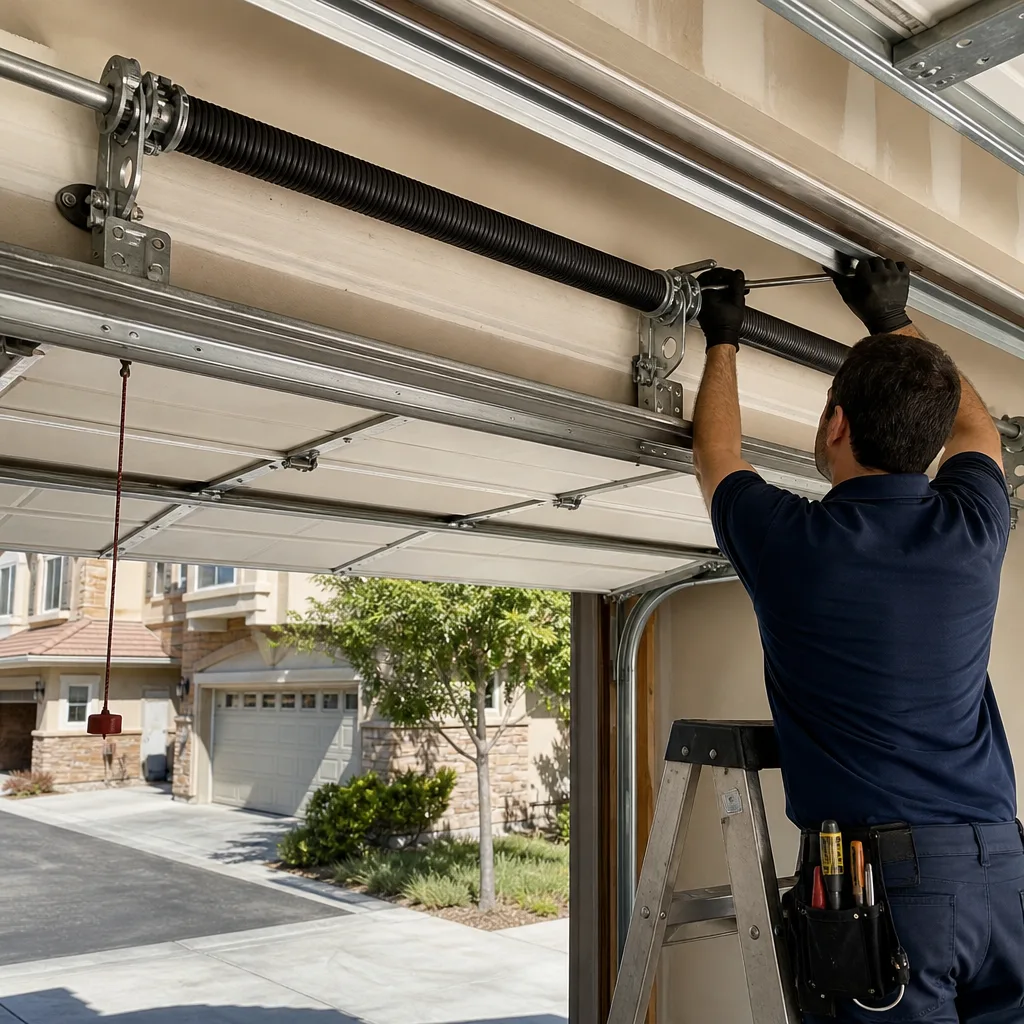
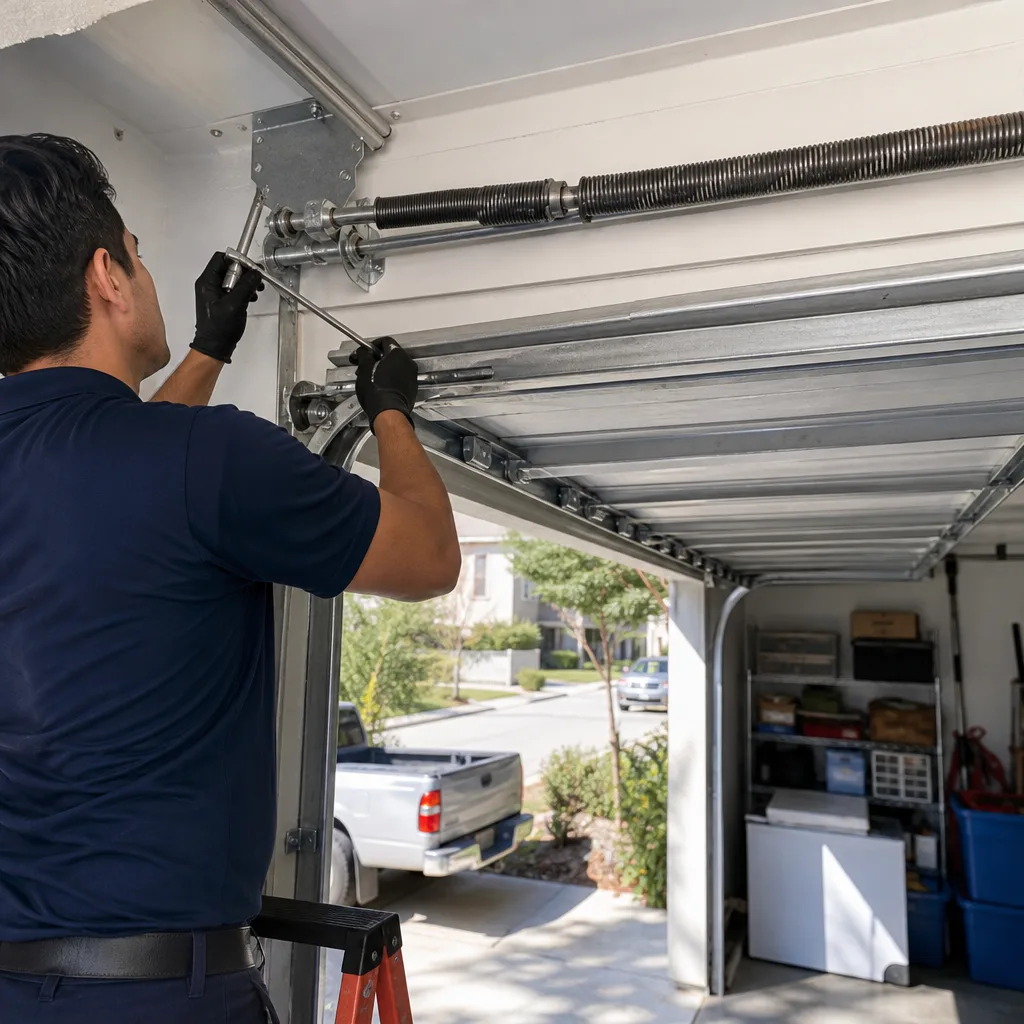
Santa Clarita summers routinely push past 100°F, and your garage door is a metal assembly designed with specific thermal tolerances. When a door cycles from a 95°F exterior to a 75°F air-conditioned interior repeatedly, materials expand and contract at different rates. Steel tracks, aluminum rollers, and the torsion spring, which is the thick coiled spring mounted above the door that bears most of the lifting load, all respond differently to temperature swings. Over a single summer, that’s hundreds of micro-adjustments in tension and alignment.
What we see most often in Santa Clarita during July and August is torsion spring fatigue that shows up as a door that’s suddenly heavier to lift manually, or an opener that strains and reverses midway through the cycle. The spring’s rated cycle life, which is typically 10,000 cycles for a standard spring, burns faster when the metal is repeatedly stressed by thermal expansion and contraction. A spring that would last 12 years in a coastal climate might fail in 8 here.
What to Check Each Summer
- Balance test: Pull the emergency release cord and lift the door manually. It should rise smoothly to waist height and hold position. If it drops or feels heavy, spring tension is off. Do this once in June and once in August.
- Roller inspection: Look for cracks in nylon rollers and flat spots on steel ones. Heat hardens the nylon, making it brittle.
- Listen for grinding: A door that sounds like it’s dragging metal on metal often has heat-warped track sections or dry bearings.
- Check the opener’s force settings: If the opener struggles in the late afternoon but works fine in the morning, heat’s your culprit.
Early Signs of Heat-Related Spring Failure
- The door opens unevenly, with one side lagging noticeably behind the other
- You hear a loud bang from the garage that sounds like something heavy snapped, which in Santa Clarita usually happens on the hottest weekday afternoons between 2 p.m. and 5 p.m.
- The opener motor runs harder, and the door pauses or reverses halfway
- Visible gaps appear in the torsion spring coils, which means the spring has begun to fail and needs replacement before it snaps under load
Addressing heat fatigue before it becomes a snapped spring is the single highest-value seasonal check for Santa Clarita homeowners. A torsion spring replacement runs $180 to $340 depending on spring size and cycle rating. If the spring snaps while the door is up, the door can slam shut, damaging panels, tracks, and the opener. That’s a $900 to $1,400 repair instead of a $300 one. Garage Door Repair in Santa Clarita covers this territory every summer, and the pattern is consistent: the calls spike in the third week of June and stay elevated through Labor Day.
Santa Ana Wind Season: Seals, Tracks, and the October Inspection
Santa Ana winds start gusting through the Santa Clarita Valley in October and don’t fully let up until December. These aren’t gentle breezes. Sustained 30 to 40 mph winds with 60 mph gusts send dust, leaves, and small debris directly at your garage door’s bottom seal, side seals, and track assembly. The damage is rarely dramatic. It’s incremental, and by the time you notice it, weeks of grit have already worked into moving parts.
The bottom seal, which is the rubber strip along the door’s lower edge, takes the worst of it. Wind-driven debris erodes the seal’s edges and can pull it loose from its track. Once a gap opens, dust enters the garage, and after a rain event, water follows. Side seals along the vertical door edges wear in the same way, and track alignment can shift when repeated wind pressure pushes the door against its rails.
The October Santa Ana Inspection
- Bottom seal check: Run your hand along the seal’s underside on a dry afternoon. It should feel uniformly thick, not flattened or gouged. Look for daylight peeking under the door when it’s closed.
- Side seal check: Inspect both vertical edges for gaps exceeding 1/8 inch, especially on the side facing the prevailing wind, which in Santa Clarita is typically the northeast.
- Track alignment: Look at the track where the rollers ride. It should be parallel with the door edge from top to bottom. Wind pressure bends the upper track section outward first.
- Debris removal: Clear leaves and sand from the track bottom and the weatherstripping channel. Debris packed into the channel causes the seal to bind, which pulls it off track during the next wind event.
- Photo-eye wipe: Wind-borne dust coats the photo-eye lenses quickly in October. A dry microfiber cloth clears it in 10 seconds.
Most Santa Ana-related repairs we handle involve bottom seals that gave out during a windstorm and went unnoticed for weeks. A replacement bottom seal runs $80 to $150 depending on door width and seal type. Track realignment, if addressed before the door binds, typically costs $95 to $160. Let it go and the opener burns out fighting misaligned rails. That’s a $250 to $450 Garage Door Opener Repair in Santa Clarita job on top of the original issue.
Winter in Santa Clarita: Why Rain, Not Cold, Is Your Door’s Real Enemy
Santa Clarita doesn’t freeze. Winter lows hover in the high 30s to mid-40s, and that means most national garage door maintenance guides don’t apply here. The advice about checking for ice buildup and frozen tracks is irrelevant. But winter is still a legitimate inspection season, and the reason is rain. When atmospheric rivers push through the valley between December and March, a garage door with a compromised bottom seal turns a dry garage into a moisture problem.
Moisture intrusion is the actual seasonal risk. Water that pools under the door edge seeps into the concrete slab, and over repeated rain cycles, it causes efflorescence, the white chalky staining on garage floors, and eventually surface spalling. Water that reaches the bottom roller brackets accelerates corrosion, which shows up as gritty, grinding rollers within a season or two. In a garage with stored cardboard, tools, or anything on the floor, water damage compounds quickly.
The Winter Moisture Check
- After the first rain: Look for a dark, damp line where the door meets the concrete. Some dampness is normal if the slab is pitched toward the door, but standing water inside the garage isn’t.
- Bottom seal inspection: Wet weather makes existing seal gaps obvious. If you see water beading inside the garage after a rain event, the seal has failed and needs replacement before the next storm front.
- Track and bracket surface rust: Mild winters mean steel components don’t freeze, but they do stay damp longer. Surface rust on brackets is cosmetic; rust on the track where rollers ride is a replacement warning.
- Garage interior humidity: If you store anything moisture-sensitive, check interior humidity after rain. A door that seals properly keeps the space dry enough for typical stored items without a dehumidifier.
Replacing a winter-damaged bottom seal is a $80 to $150 fix. Replacing rusted track sections runs $120 to $220 per section. Neither is a major expense. The financial damage from ignoring winter moisture shows up later, when corroded rollers chew up tracks or water-damaged stored items need replacing.
Spring Dust and Pollen: The 10-Minute Cleaning Protocol
Spring in Santa Clarita means abundant pollen from the valley’s oak and juniper trees, plus fine dust that settles on every horizontal surface. For your garage door, that dust works its way into the track channels, the opener rail, and the photo-eye lenses. The result isn’t catastrophic damage. It’s nuisance malfunctions: doors that reverse for no reason, openers that work intermittently, and remotes that need to be pressed twice.
Photo-eye lenses are the most common spring failure point we see. The photo-eye is the small sensor pair mounted about 6 inches off the floor on each side of the door opening. They project an invisible beam across the door path, and if that beam is blocked or obscured, the opener refuses to close. A layer of pollen on the lens diffuses the beam just enough to trigger a false “obstruction” signal, and the door reverses every time you try to close it.
The 10-Minute Spring Cleaning Protocol
- Photo-eye lenses (2 minutes): Wipe both lenses with a dry microfiber cloth. If the pollen coating is thick, dampen the cloth slightly. Don’t use cleaning sprays; residue attracts more dust.
- Opener rail (3 minutes): Wipe the rail with a clean rag. DO NOT apply garage door lubricant to the opener rail, as this causes the trolley to slip. The rail should remain dry and clean.
- Track channels (3 minutes): Run a rag through each vertical and horizontal track section to remove dust buildup. Check for pebbles or debris that could jam a roller.
- Sensor wiring check (2 minutes): Look at the wires running from the photo-eyes to the opener motor. Spring nesting rodents sometimes chew through insulation, causing intermittent sensor failures.
This protocol prevents about 70 percent of the nuisance service calls we get in April and May. If a sensor or opener still malfunctions after cleaning, the issue is likely electrical, and a Garage Door Opener Repair in Santa Clarita technician can diagnose it. Most opener sensor and logic board repairs run $120 to $280. But before you spend that, try the cleaning protocol. In our experience, half of the time it solves the problem.
The Santa Clarita Seasonal Task Calendar
Here is the maintenance schedule that matches Santa Clarita’s actual climate, not a national average. Each task takes under 30 minutes and requires no specialized tools beyond a rag, a microfiber cloth, and a step stool.
June (Start of Heat Season)
- Perform the manual balance test described in the summer section
- Inspect torsion spring coils for visible gaps
- Listen for grinding or straining during a full open-close cycle
- Expect usual door service calls in Santa Clarita to spike about two weeks after the first sustained 100°F stretch
October (Santa Ana Season Begins)
- Run the full October Santa Ana inspection
- Check bottom seal for erosion and the side seals for wind-pulled gaps
- Verify track alignment, especially the upper sections
- Clear all debris from track bottoms and weatherstripping channels
December (Rain Season)
- After the first significant rain, check for water intrusion at the door base
- Inspect track brackets and roller hardware for early rust
- Confirm the bottom seal still sits flush on the concrete with no daylight gaps
- Replace any seal showing visible cracking or flattening before heavier rains arrive
March (Dust and Pollen Season)
- Complete the 10-minute cleaning protocol
- Wipe photo-eye lenses even if the door is working normally; prevention beats troubleshooting
- Check the opener rail for dust accumulation
- Inspect sensor wiring for rodent damage
Common Mistakes to Avoid
- Skipping the balance test because the door “seems fine.” A door that’s losing spring tension feels normal right up until the spring snaps. The balance test takes 60 seconds and catches slow deterioration early.
- Applying grease to the opener rail. Grease on the rail attracts dust and causes the trolley to slip, which mimics a failing opener. The rail stays dry, and the only lubrication points are the hinges, rollers, and springs, using a specific garage door lubricant, never WD-40.
- Ignoring a reversed door as a “glitch.” If the door starts reversing intermittently, the photo-eyes are usually the cause. Cleaning the lenses costs nothing. Waiting until the door refuses to close entirely turns a wipe-down into a service call.
- Replacing the bottom seal without clearing the channel first. Old seal remnants packed into the channel prevent the new seal from seating properly, and it’ll pull loose within weeks, usually during the next Santa Ana wind event.
- Doing major spring or cable work yourself. Torsion springs are under extreme tension, and a mistimed release can cause severe injury. Garage Door Cable Repair in Santa Clarita and spring replacement should always be handled by a trained technician with the right tools.
- Lubricating on a calendar schedule instead of checking first. Over-lubricating attracts dust, and in a dusty climate like Santa Clarita, that dust turns into grinding paste inside hinges and rollers. Lubricate after cleaning, not on a monthly timer.
- Assuming winter requires no attention because it doesn’t freeze. Rain is the winter threat here, and it’s quieter than a frozen track. Checking the seal after the first storm is the highest-value winter task.
When to Call a Professional
Call a technician when the torsion spring shows visible coil gaps, when the door slams down during the balance test, when tracks are visibly bent or pulled from the wall, or when the opener makes a grinding sound that persists after cleaning. Do not attempt spring or cable work yourself; the stored tension in a torsion spring can cause serious injury if released incorrectly. Brock Garage Doors Santa Clarita offers free estimates in Santa Clarita, and every job includes a written price before work begins and a written 365-day guarantee. Call (661) 592-1666.
Frequently Asked Questions
Four times a year, timed to the local stress periods: June for heat, October for Santa Ana winds, December for rain, and March for dust and pollen. Each check takes under 30 minutes, and most don’t require any parts replacement. If you’d rather not handle it yourself, a professional tune-up once a year, ideally in October before wind season, covers the mechanical inspection. Not sure whether to DIY or call a pro? Read our DIY vs Professional Garage Door: The Santa Clarita Homeowner’s Decision Guide.
A DIY seasonal check costs almost nothing beyond a rag and lubricant. If you hire a professional, a standard tune-up in Santa Clarita runs $85 to $150, and includes balance testing, track inspection, seal condition assessment, and lubrication. Repairs found during a tune-up are quoted separately before any work happens. Call (661) 592-1666 for an exact quote; estimates are free.
Spring pollen accumulates on the photo-eye lenses and diffuses the safety beam, causing the opener’s obstruction detection to trigger falsely. Clean both lenses with a dry microfiber cloth, and the reversal behavior usually stops immediately. If it persists after cleaning, the sensors may need realignment or replacement.
Yes, but the damage is usually to the seals and track alignment rather than the door panels themselves. Wind-driven debris erodes the bottom seal, and sustained pressure can push the upper track sections outward. A post-wind inspection each October catches this damage before it causes a binding door or a failed opener.
No. The written price is handed over before any work starts, and the number on the invoice matches the number you approved. If additional work is discovered during the repair, it’s quoted separately and requires your approval before proceeding. That’s the standard for every job Brock Garage Doors Santa Clarita performs.
Yes. Bottom seals, side seals, photo-eyes, rollers, and standard torsion springs are stocked on service vehicles for one-trip repairs in most cases. Less common items, such as specific panel replacements or custom door ordering, require a separate scheduling step, and that’s communicated clearly before the first visit ends. Call (661) 592-1666 to confirm parts availability for your specific door model.
The Bottom Line
Santa Clarita’s garage door maintenance calendar runs on heat, wind, rain, and dust, not the four seasons other regions experience. The checks themselves are simple and quick: balance the door in June, inspect seals and tracks in October, check for moisture after December rains, and clean photo-eyes and rails in March. Each catches problems in the sub-$200 range before they become $600 to $1,400 failures. If you spot something you’d rather not handle, Brock Garage Doors Santa Clarita home is one call away, with written pricing, a live person answering around the clock, and a full-year guarantee in writing. Call (661) 592-1666 for a free estimate. We show up on time, quote the price before the work starts, and stand behind it for 365 days. That’s the entire arrangement.
Written by Wade Mercer, Owner at Brock Garage Doors Santa Clarita, serving Santa Clarita since 2001. Browse more guides & resources from our team.
See the difference
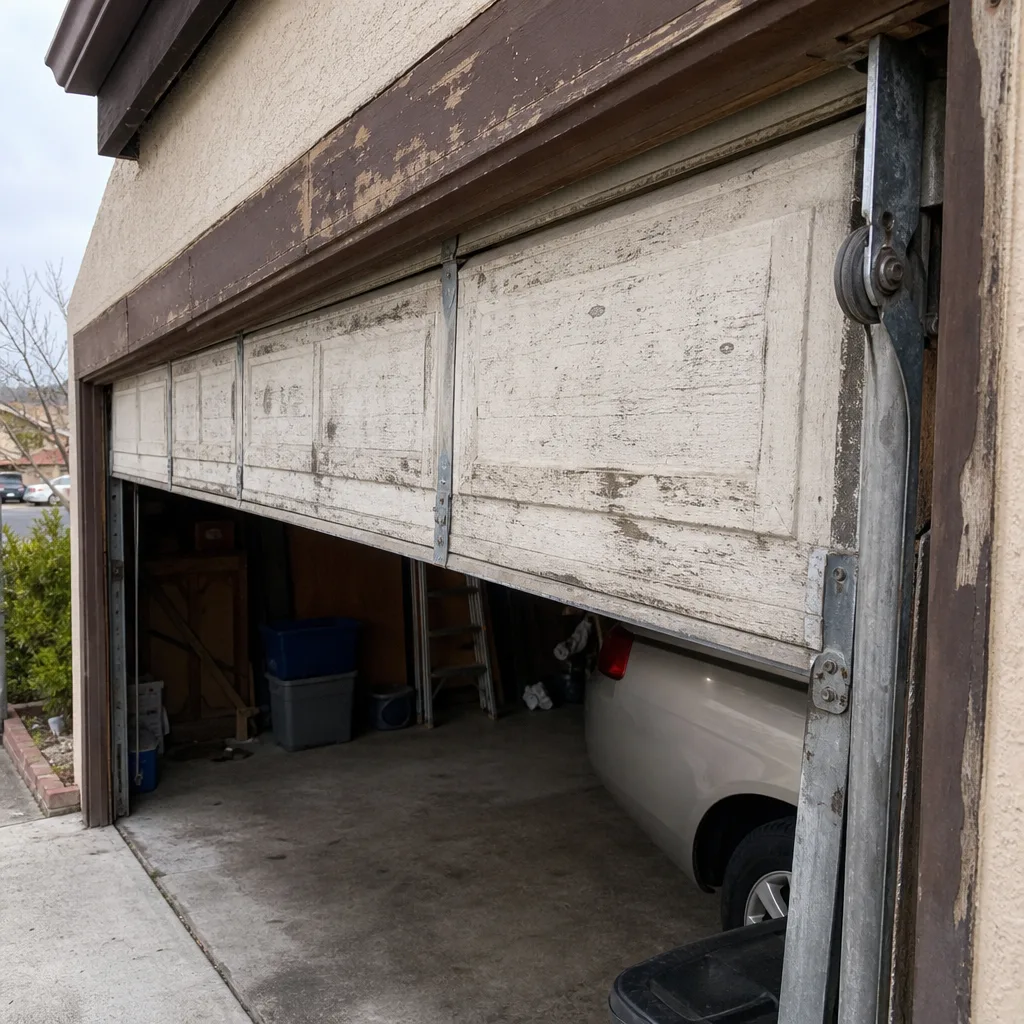 Before
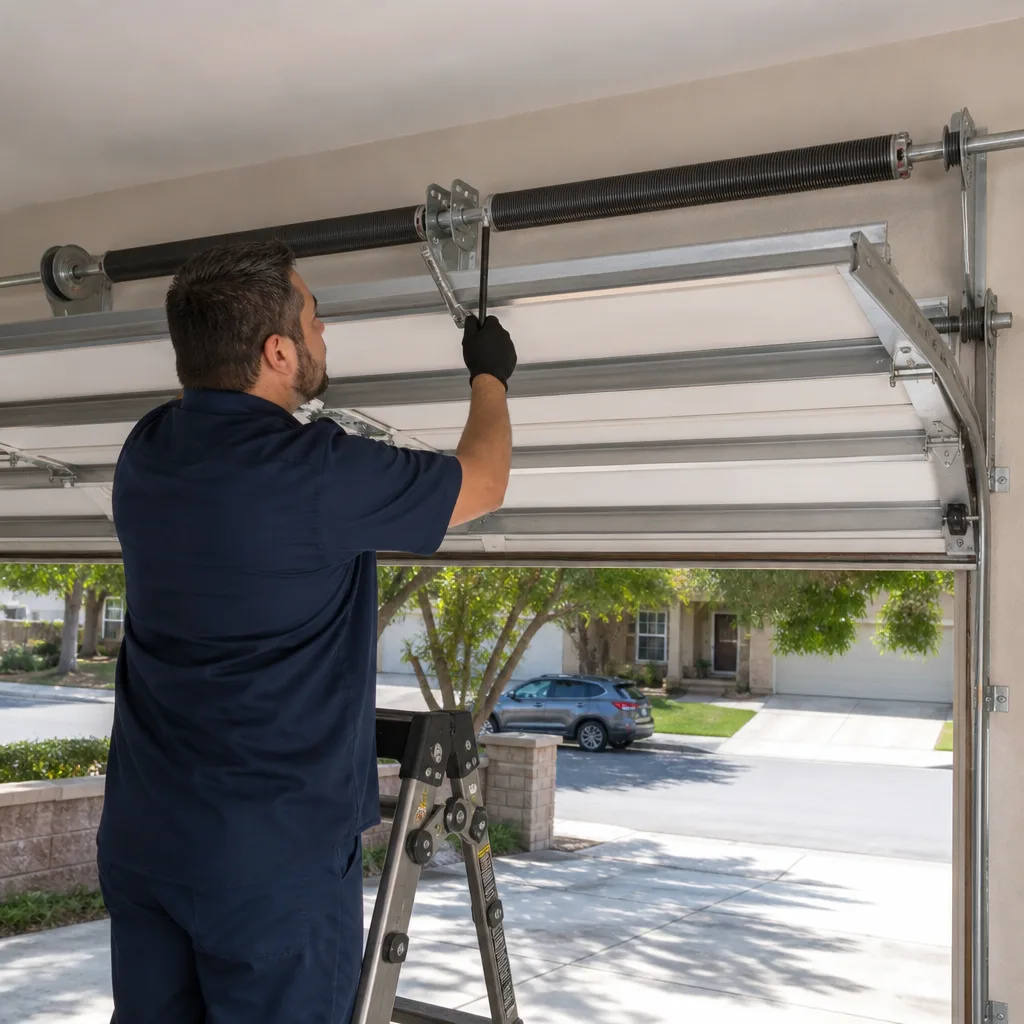 After
After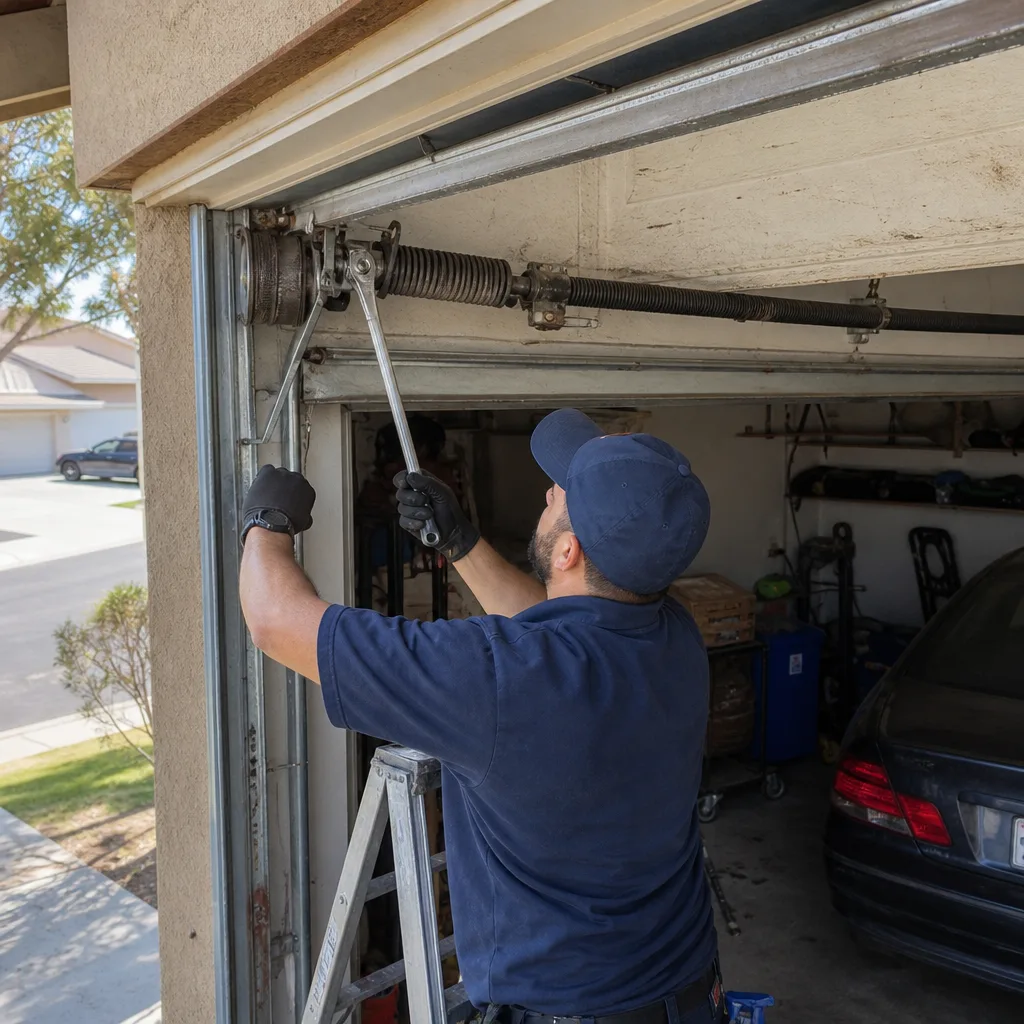 Before
 After
After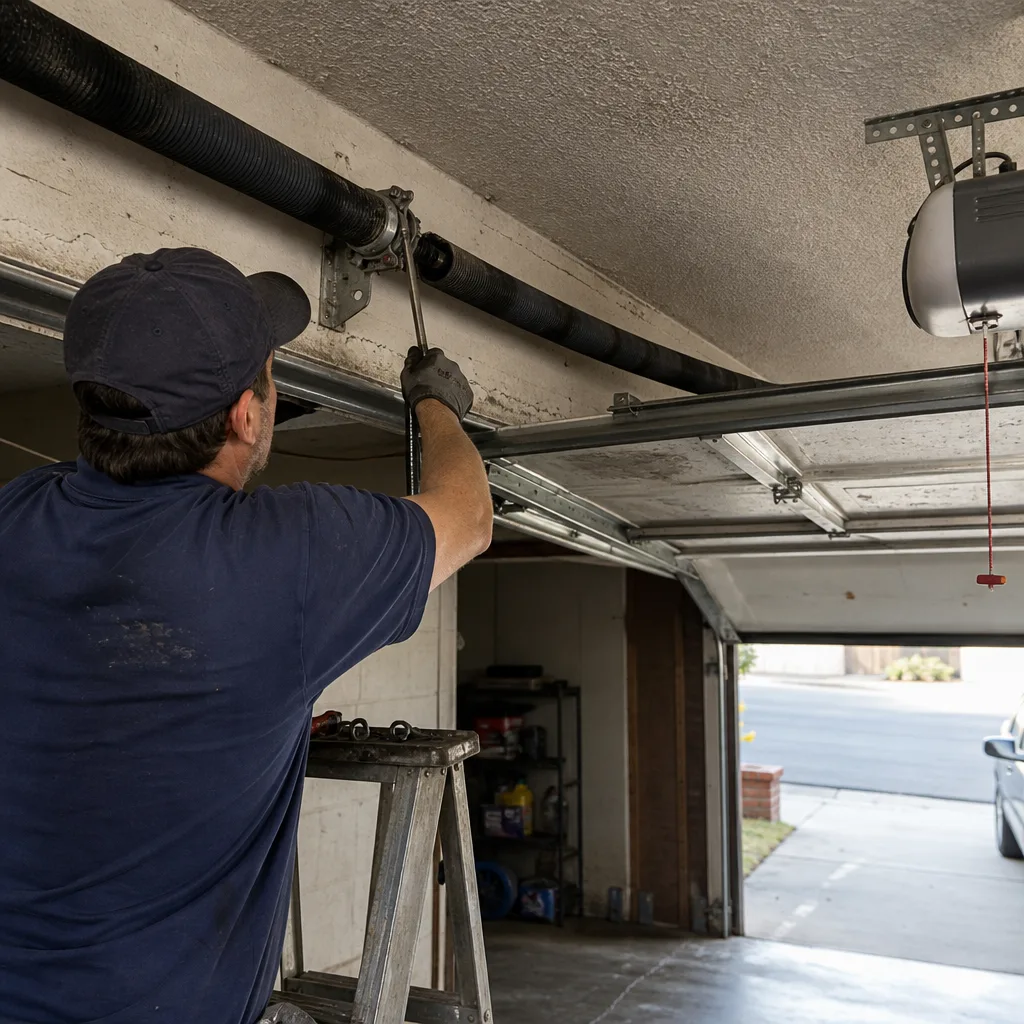 Before
 After
After