
Last updated October 16, 2026
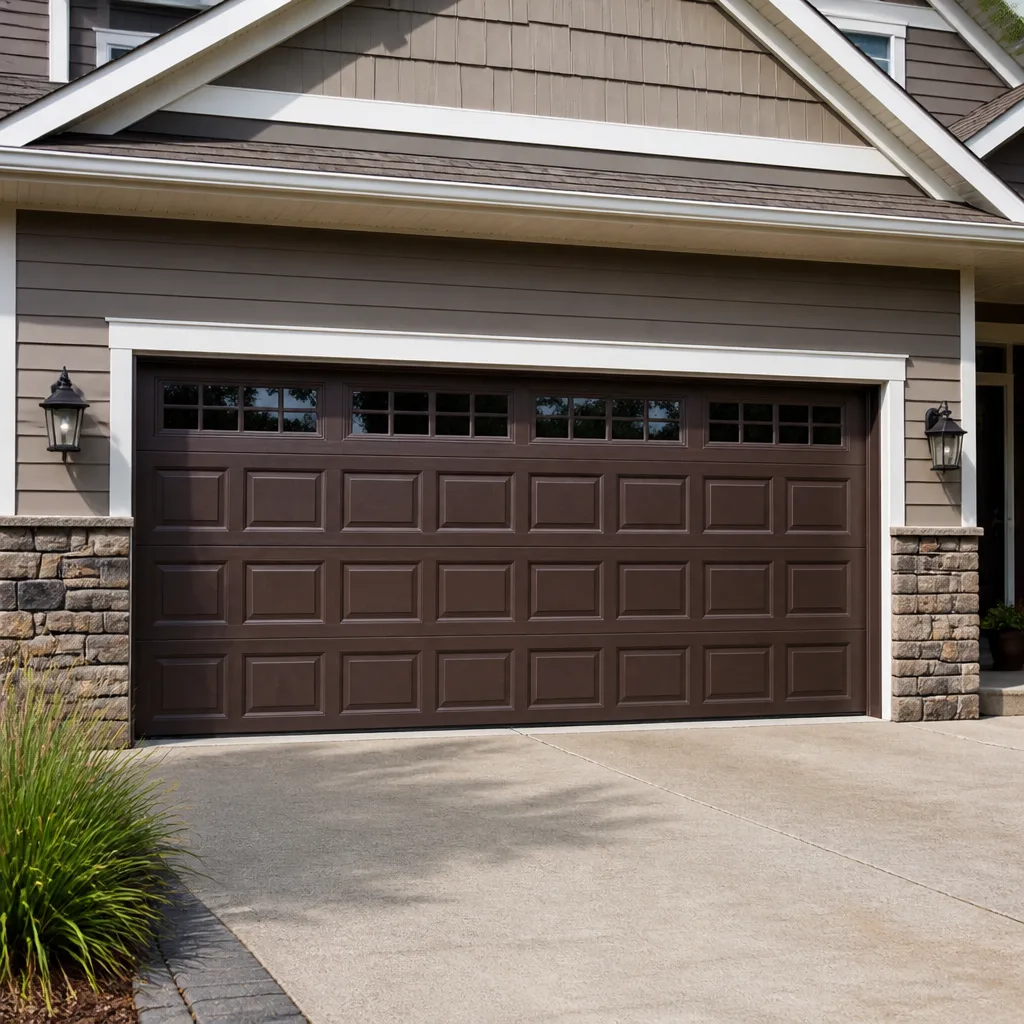 Raised-panel steel
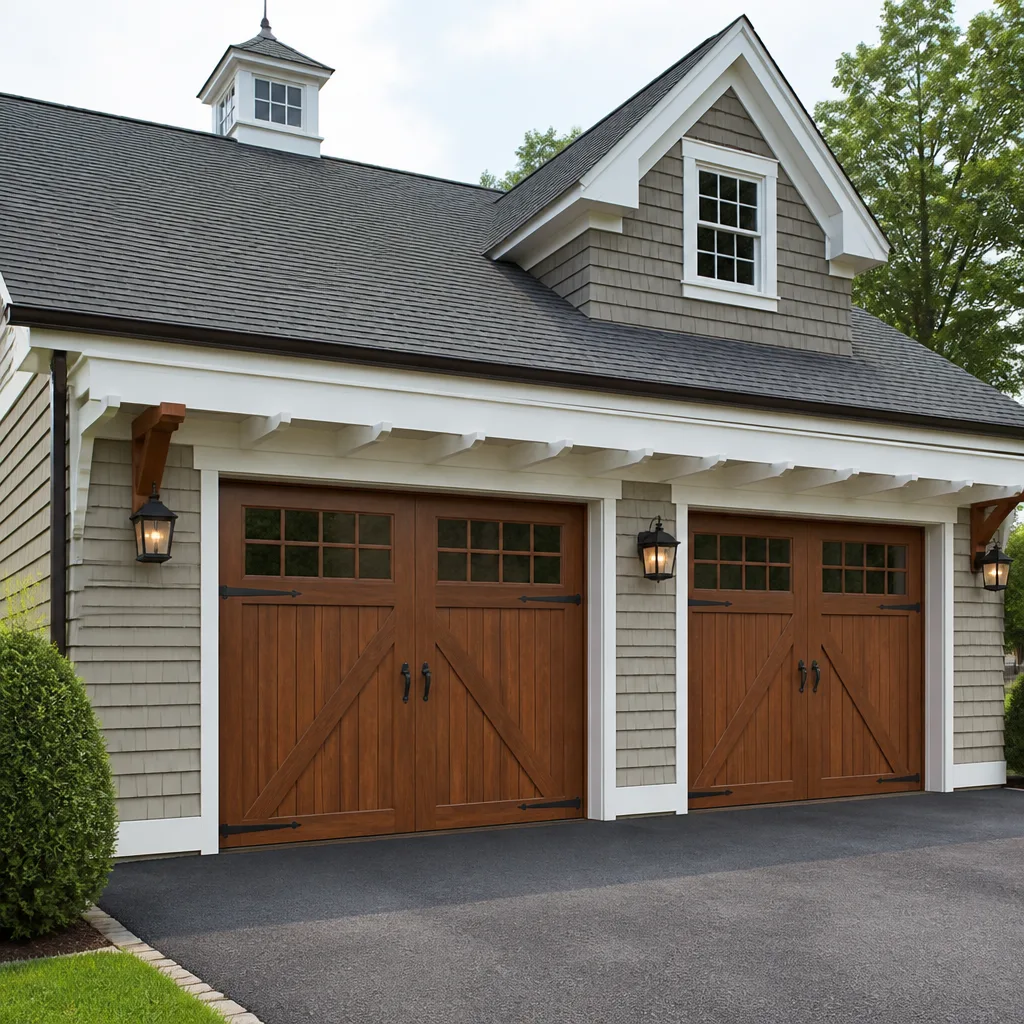 Carriage house
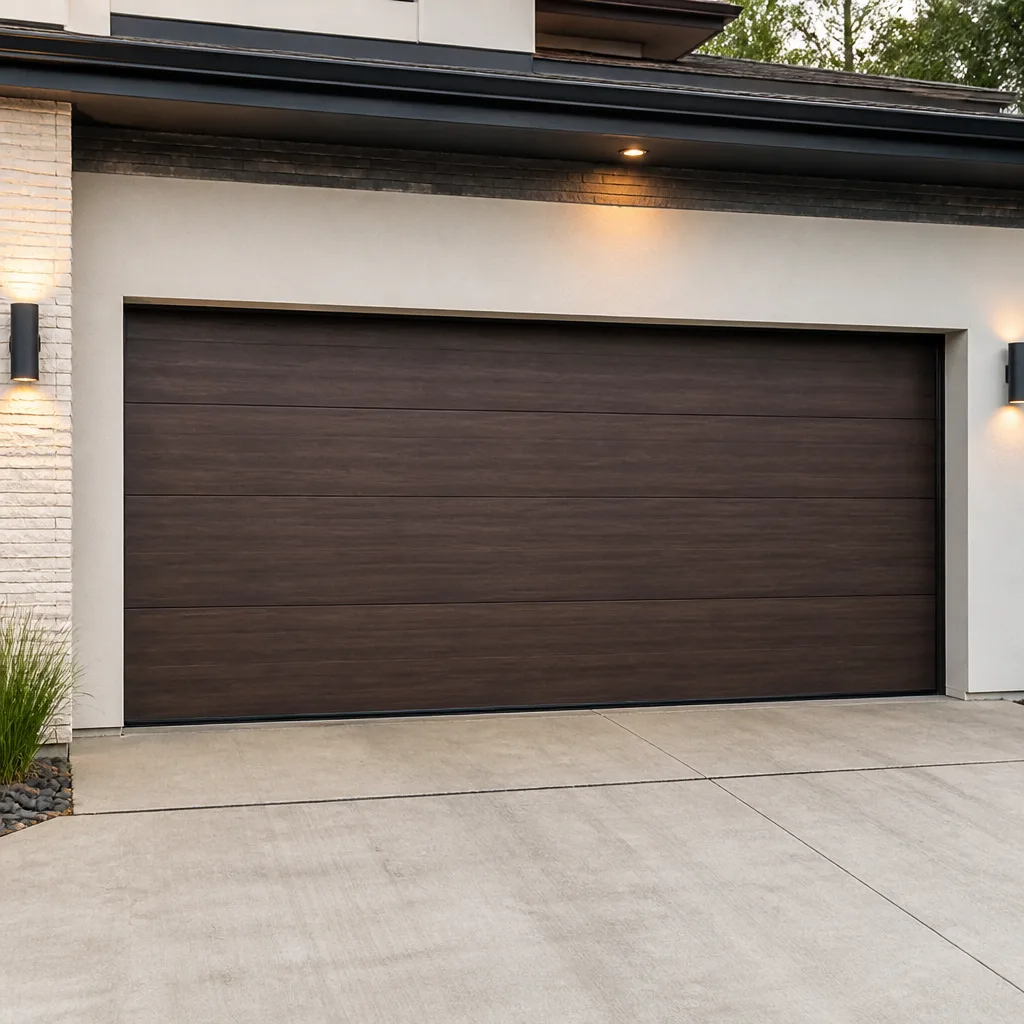 Modern flush
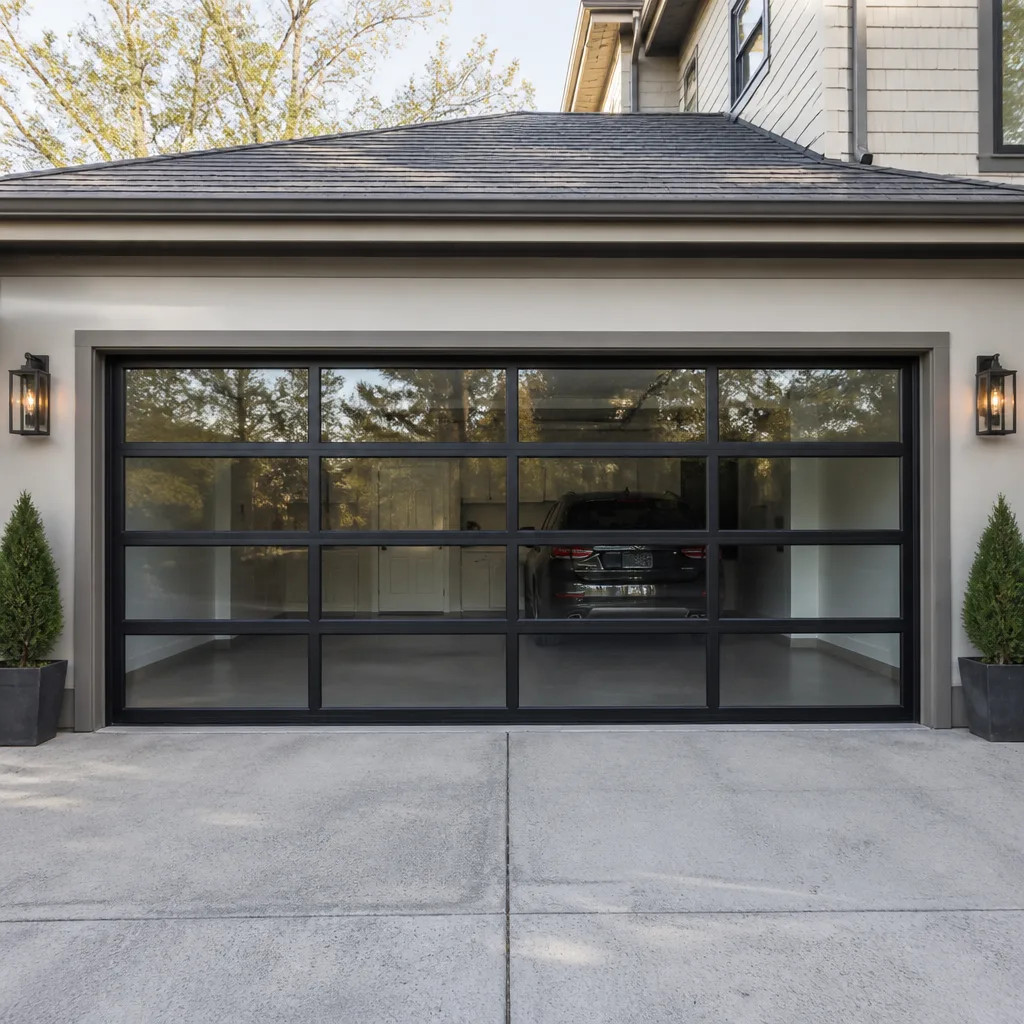 Full-view glass
 LiftMaster openers
 Chamberlain openers
Full 25-point door and opener safety check with every visit - springs, cables, rollers, tracks, and your LiftMaster or Chamberlain opener included
You get a price before we start. It does not change when the truck arrives.
Get your free estimateGarage Door Warning Signs: A Santa Clarita Homeowner’s Reference Guide
A garage door that hesitates for one second before moving is not getting old. It is giving you a diagnostic signal that points to one of three specific components, and at least two of them will cost more to fix three months from now than they will today. This guide is written for Santa Clarita homeowners who want to read their garage door the way a technician does: each symptom matched to the component it implicates, the urgency level it carries, and whether it is a safety issue or a convenience issue. For a broader overview, see our The Complete Guide to Garage Door in Santa Clarita. By the time you finish reading it, you will know which noises are normal, which ones mean a bearing is failing, and exactly when to pick up the phone.
Quick Answer
Most garage door failures in Santa Clarita announce themselves days or weeks in advance through four observable categories: noise, movement, appearance, and response time. A grinding sound near the top of the door typically points to worn rollers or bearings, a door that shakes during operation usually indicates track misalignment or a failing spring, and any visible fraying on a cable is a safety-critical warning that warrants a same-day call. The purpose of this guide is to give you a clear decision framework: monitor, schedule, or call now.
Styles & brands we work with
Table of Contents
- What Your Garage Door Sound Means
- Movement Warning Signs and What They Implicate
- Visual Warning Signs You Can Spot From the Driveway
- Response Time: The Most Overlooked Warning Sign
- How Santa Clarita Heat Accelerates Specific Failure Modes
- Safety-Critical vs. Maintenance Warning Signs: Why the Difference Matters
- The One-Page Diagnostic Decision Tree
- What Repairs Cost in Santa Clarita
What Your Garage Door Sound Means
Garage doors make noise. A well-maintained door makes a low, consistent hum from the opener motor and a soft rolling sound as the door travels its track. When that baseline changes, the specific character of the new sound tells you what is failing. We have diagnosed hundreds of doors in Santa Clarita by sound alone before ever touching the equipment, and the patterns are remarkably consistent.
Here is what different sounds indicate:
- A rhythmic grinding or scraping during travel: This points to the rollers. Metal rollers with worn ball bearings stop spinning freely and begin to slide along the track instead of rolling. The sound is often louder on one side than the other. On Valencia and Saugus homes with steel tracks, this is the most common noise complaint we hear.
- A high-pitched squeal near the top of the door: The torsion spring, the thick coiled spring mounted above the door that bears most of the lifting load, is telling you its coils are rubbing against each other. This happens when the spring loses lubrication or when it begins to fatigue. A light spray of garage-door-specific lubricant can quiet a dry spring, but a spring that continues to squeal after lubrication is often nearing the end of its service life.
- A popping or snapping sound during operation: This is frequently the sound of a single strand breaking inside a multi-strand cable. One broken strand does not mean the cable will fail tomorrow, but it does mean the cable has begun to deteriorate from friction or corrosion. In Santa Clarita, the dry air slows rust, but the fine dust that blows through the valley in late summer works its way between cable strands and accelerates wear.
- A deep rumbling from the opener motor: The opener’s drive gear, typically a plastic gear on chain-drive models from LiftMaster and Chamberlain, may be stripping. This is a repair item, not a replacement item, and it falls squarely into our Garage Door Opener Repair in Santa Clarita service.
Normal for a well-maintained door is a sound you can hold a conversation over. If you find yourself raising your voice in the garage while the door runs, something is out of spec.
Movement Warning Signs and What They Implicate
The way your door moves reveals more than any sound it makes. A garage door that operates correctly should travel smoothly from fully closed to fully open with no hesitation, no stutter, and no visible wobble in the panels. Any deviation from that pattern maps to a specific component.
Hesitation before movement: When you press the wall button or remote and the door pauses for a full second before beginning to move, one of three things is happening. The opener’s capacitor may be weak, the door’s balance may be off so the opener is straining against extra resistance, or the logic board may be delaying signal processing. The first two are inexpensive fixes relative to a full opener replacement. The third tends to worsen over time. This is the hesitation the opening of this guide references, and it is cheap to diagnose.
A door that jerks or stutters mid-travel: This implicates the rollers and the track. A bent track section, often caused by a car bumper or a child’s bike impacting the vertical track, creates a point of resistance the door must push through. Rollers with flat spots, common on nylon rollers after years of Santa Clarita heat exposure, create the same stutter.
One side rising faster than the other: This is a balance problem, and balance problems come from the spring system. When a torsion spring wears, it exerts less lifting force, and the door begins to rely more on the opener motor to do the work. The door may still open, but the uneven stress accelerates wear on the opener gear, the hinges, and the panels. A door that sits slightly crooked when fully open is the easiest version of this sign to spot.
The door dropping quickly when closing: If the door closes with speed that feels too fast, the spring is under-tensioned or broken. A properly spring-balanced door will hold its position at the halfway point without assistance. You can test this by disconnecting the opener via the red release handle and manually lifting the door to the halfway point. If it drops, the spring is not doing its job. Do not attempt to adjust or replace a torsion spring yourself. The tension on an unwound spring can cause serious injury. This is a call-now situation.
Visual Warning Signs You Can Spot From the Driveway
Some of the most useful warning signs require no mechanical knowledge at all. You can identify them by walking out to the driveway and looking at your closed door for thirty seconds.
Frayed cables: Look at the vertical cables that run along both sides of the door between the drums and the bottom brackets. These cables carry the lifting force from the spring system to the door itself. When individual wire strands begin to separate and poke outward, the cable is degrading. This is one of the clearest safety-critical warnings in the entire garage door system. A cable that snaps while under tension can whip violently and damage anything in its path, including vehicles and people. We keep Garage Door Cable Repair in Santa Clarita calls on our same-day priority list for this reason.
Gaps under the door when closed: A door that does not sit flush against the concrete creates an entry point for heat, dust, and pests. In Santa Clarita, the gap also admits the fine particulate that coats everything in the valley during the dry season. A visible gap often means the bottom seal has hardened and compressed, which is a straightforward replacement, but it can also mean the door sections have shifted, which points to hinge wear.
Rust on the springs or tracks: Rust on the tracks is typically cosmetic. Rust on the springs is not. Torsion springs and extension springs are under constant load, and surface rust creates micro-pits that concentrate stress. A rusted spring is measurably more likely to break than a clean one. If you see rust blooming on your springs, schedule an inspection. The spring replacement itself is a standard job, but catching it before it breaks saves you the risk of a door slamming down when the spring fails mid-cycle.
Panel separation or delamination: On homes with older Clopay or Wayne Dalton doors, the panels themselves can begin to separate. Steel panels are typically bonded to an insulating core, and repeated heat cycling in the Santa Clarita climate can cause the adhesive to fail. The panel face begins to bow outward or the seams between sections open up visually. This is a structural issue, not a cosmetic one, and it tends to progress once it starts.
Response Time: The Most Overlooked Warning Sign
Most homeowners watch for sounds and visible damage. Fewer pay attention to how long the door takes to respond to a command, and that delay is often the earliest observable sign that the opener system is degrading.
A healthy opener responds to the remote or wall button in well under one second, every time. When response time stretches to two or three seconds, or when the door only responds on the second press, the cause is typically one of three issues: a failing capacitor that cannot deliver the burst of power the motor needs to start, a logic board that is slowly degrading, or signal interference that has worsened because the opener’s receiver has drifted out of tune. The first two are repairable. The third may be resolved by replacing a remote battery or checking for new sources of interference, such as LED bulbs installed in the opener itself.
The diagnostic point is this: response time changes do not reverse on their own. If your remote has gone from instant to laggy over the course of a few months, the component responsible is degrading. Early intervention on a capacitor or drive gear costs less than a full opener replacement, which in the Santa Clarita market typically runs $350 to $600 installed depending on the model and whether you are upgrading to a belt drive.
How Santa Clarita Heat Accelerates Specific Failure Modes
Santa Clarita’s climate does specific things to garage doors that homeowners in cooler coastal markets never see. The summer heat, routinely exceeding 100 degrees in the Santa Clarita Valley, accelerates failure in components that degrade through thermal cycling. Our Seasonal Garage Door Care for Santa Clarita: Year-Round Homeowner’s Guide covers how to protect against this.
Nylon roller degradation: Most residential doors use nylon rollers, which are quieter than steel and require less track maintenance. But nylon degrades under sustained heat. The bearing inside the roller may be fine while the nylon wheel itself becomes brittle and begins to develop flat spots. A flat-spotted roller causes the stuttering movement described earlier, and it also accelerates wear on the track. Homeowners in Canyon Country and Newhall are more likely to see this failure than someone in a coastal city with milder summers.
Panel delamination: Steel door panels bonded to foam insulation cores fail more quickly in high-heat climates. The adhesive bond breaks down under sustained heat exposure, especially on west-facing garage doors that absorb direct afternoon sun. A door that faces the afternoon sun in Saugus or Stevenson Ranch may show panel bowing years before the same door on a north-facing wall. When the panel face separates from the core, the door loses rigidity, which changes how it tracks and accelerates hinge wear.
Spring fatigue from temperature swings: Torsion springs are rated for a number of cycles, typically 10,000 to 20,000 depending on the spring grade. Heat does not change the cycle rating, but it does change the rate at which the spring’s internal structure fatigues. The daily expansion and contraction of the steel in high-heat environments like Santa Clarita contributes to earlier fatigue. Springs on uninsulated garage doors exposed to direct sun fail measurably sooner than springs on attached garages with shaded doors.
Bottom seal compression and cracking: The rubber bottom seal hardens under repeated heating and cooling. Once hardened, it loses the ability to compress against uneven concrete, creating gaps that admit dust and insects. Santa Clarita homeowners with east-facing garage doors tend to see seal cracking earlier than those with shaded doors.
Safety-Critical vs. Maintenance Warning Signs: Why the Difference Matters
Every warning sign in this guide fits into one of two categories: safety-critical and maintenance. The distinction determines how fast you should act, not just how much the repair might cost.
Safety-critical signs demand same-day attention:
- Frayed or unraveling cables. A cable failure under load can cause injury and property damage. This is the highest-priority call on this list.
- A broken or visibly separated spring. If you see a gap in the coils of your torsion spring, the spring has snapped. The door is being held by the opener alone, and if the opener fails or the door is released, it will drop. Do not operate the door. Call immediately.
- A door that reverses on its own or fails the auto-reverse test. Federal safety standards require all openers manufactured since 1993 to reverse when they encounter resistance. If your door does not reverse, you have a child-safety failure. This is non-negotiable.
Maintenance signs allow scheduled service:
- Squealing or grinding noises. These indicate wear that will worsen but rarely present immediate danger.
- Hesitation in movement or response time. The component is degrading but has not failed.
- Rust on springs. Degradation is underway, and the spring should be replaced sooner rather than later, but it has not yet snapped.
- Gaps under the door. An efficiency and pest issue, not an immediate safety risk.
The rule we use in our own work is simple: if the failure mode involves a component under tension, treat it as urgent. Springs and cables are under constant load. Everything else can usually be scheduled.
The One-Page Diagnostic Decision Tree
You do not need to know technical terminology to make a sound decision about your garage door. Use this decision tree the next time you notice something that seems off. Work through the questions in order.
- Do you see frayed cable strands or a gap in the spring coils? Yes: Do not operate the door. Call for same-day service. No: Move to question two.
- Does the door fail to reverse when it contacts an object on the way down? Yes: Unplug the opener and call for service. This is a safety failure that endangers children and pets. No: Move to question three.
- Does the door make a grinding, squealing, or popping sound that was not present six months ago? Yes: Schedule an inspection. The sound identifies which component is failing, and early repair prevents a bigger job. No: Move to question four.
- Does the door hesitate, stutter, or sit crooked when opening? Yes: Schedule a service call. The issue is likely a roller, track, or spring balance problem. These are standard repairs. No: Move to question five.
- Do you see gaps, rust, or panel bowing? Yes: Monitor and schedule when convenient. These are maintenance items. Exceptions: rust on springs should be evaluated, and panel separation should be inspected to determine whether the door is structurally compromised. No: Your door shows no observable warning signs. Maintain your current service schedule and re-run this tree quarterly.
This tree covers the majority of failures we see on Brock Garage Doors Santa Clarita home service calls. It is deliberately simple, but it reflects the diagnostic logic Wade Mercer uses when talking homeowners through a problem over the phone before a technician ever arrives.
What Repairs Cost in Santa Clarita
Knowing what a repair should cost before you call gives you a baseline for evaluating the quote you receive. These ranges reflect what Santa Clarita homeowners typically pay for the repairs this guide addresses. They are not quotes, but they are honest market ranges based on the work we do in this city every week.
| Repair | Typical Range in Santa Clarita | Urgency |
|---|---|---|
| Roller replacement (full set) | $90 – $160 | Schedule |
| Track realignment | $125 – $200 | Schedule |
| Cable replacement (both sides) | $150 – $275 | Same day |
| Spring replacement (single torsion) | $220 – $380 | Same day |
| Opener drive gear replacement | $180 – $280 | Schedule |
| Full opener replacement | $350 – $600 | Schedule |
Every Garage Door Repair in Santa Clarita job we perform receives a written price before any work begins. The number on the invoice matches the number you approved. If a covered repair fails within 365 days, we return and correct it at no additional charge, and that guarantee is in writing on every job. Most cable repairs run $150 to $275, depending on cable type and drum condition, which gives you a realistic window before you ever pick up the phone.
Common Mistakes to Avoid
- Lubricating a failing roller instead of replacing it. A roller with worn bearings will not come back to life with spray lubricant. The lubricant masks the sound for a few weeks while the bearing continues to degrade, and the eventual failure is louder and more damaging to the track.
- Continuing to operate a door with one broken spring. A single broken torsion spring means the remaining spring is carrying the full load it was never rated for. The second spring will fail sooner, and when it does, the door may fall. If you see one broken spring, stop using the door until both are replaced.
- Testing gap sealing with a dollar bill while the door is closed on the concrete. The more useful test is whether light is visible under the seal when the door is closed during daylight. Santa Clarita dust fines are much smaller than a dollar bill, and visible light means visible entry for dust.
- Ignoring a scratchy remote signal because the wall button still works. Remote signal degradation is not a remote problem. It is an opener receiver or logic board problem, and it worsens. Fixing the receiver costs less than a third of replacing an opener.
- Waiting for a squeaky spring to stop squeaking on its own. It will stop when it breaks. That is not the improvement it sounds like.
- Attempting to re-tension a torsion spring without the proper winding bars. Torsion springs hold enough stored energy to cause serious injury or death. This is the single most dangerous repair on a residential property, and it is not a weekend project.
See the difference
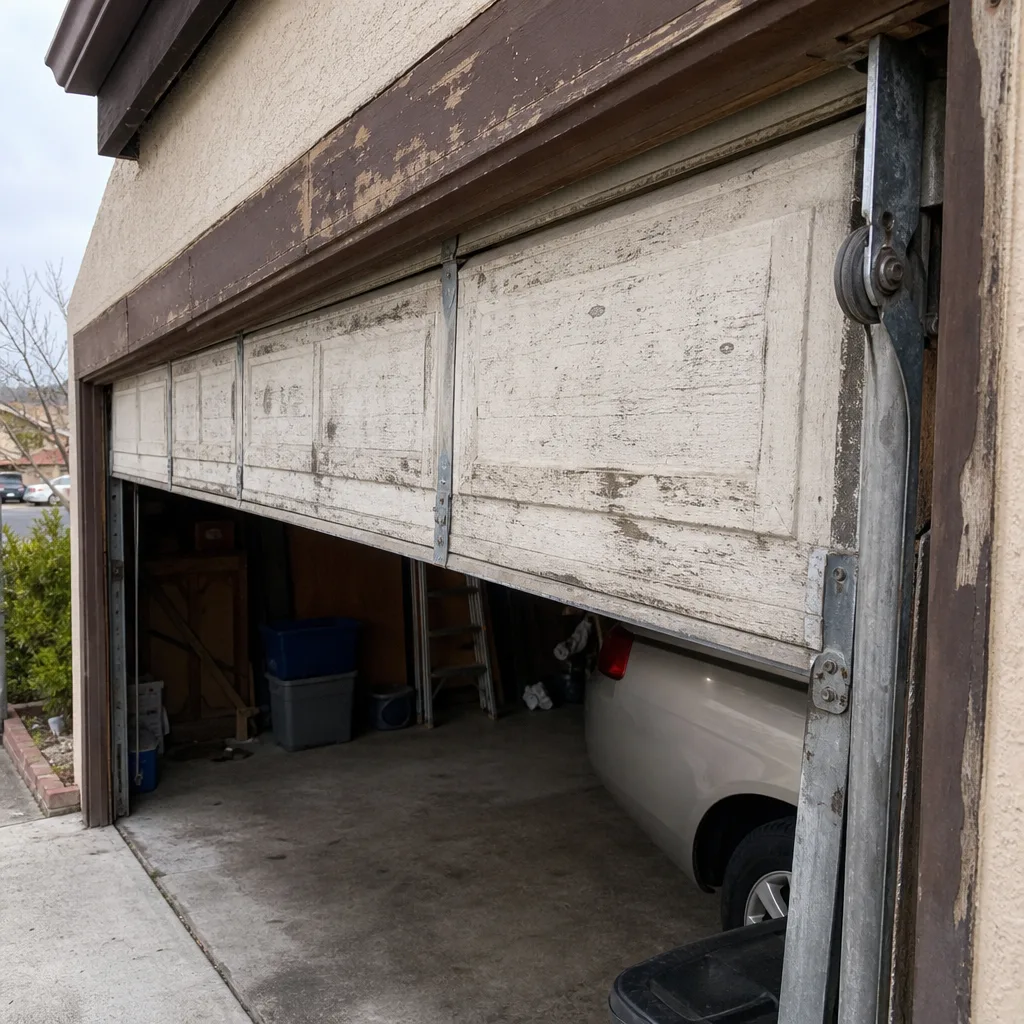 Before
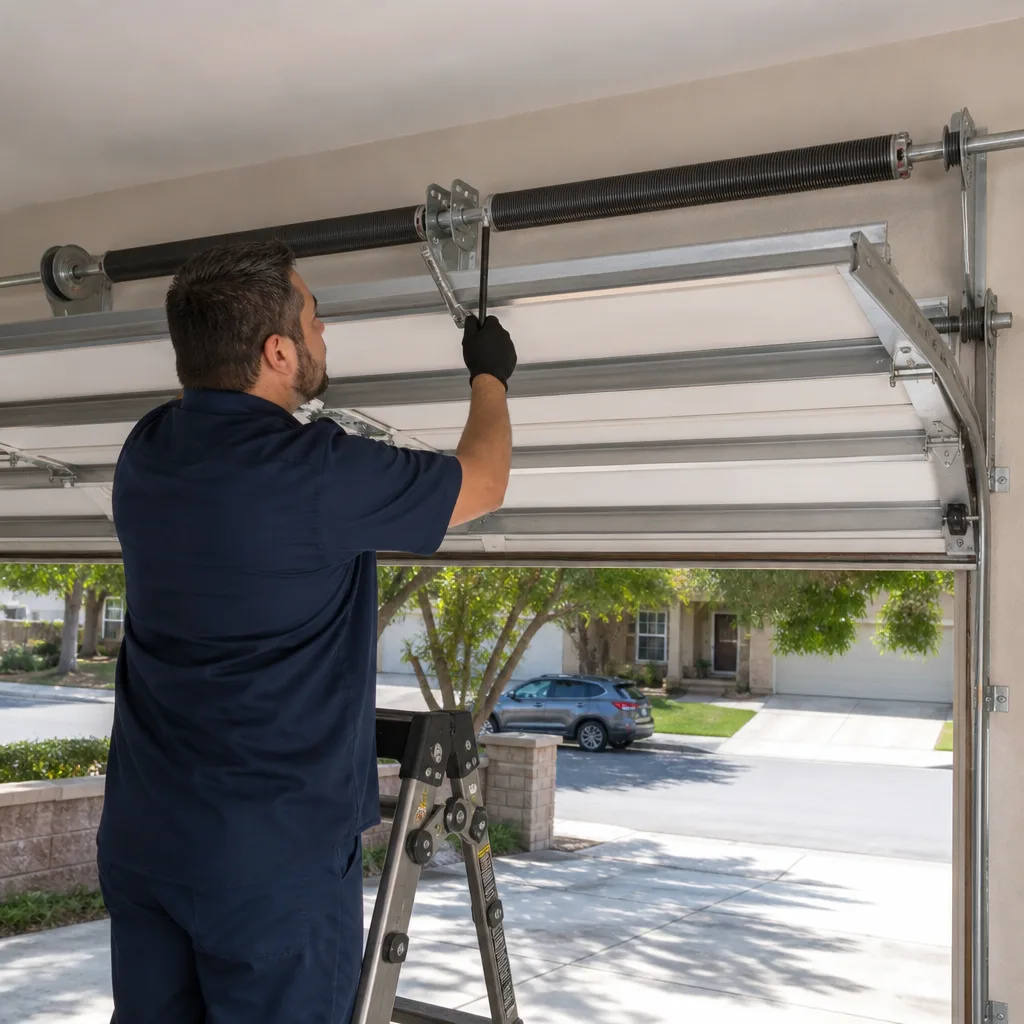 After
After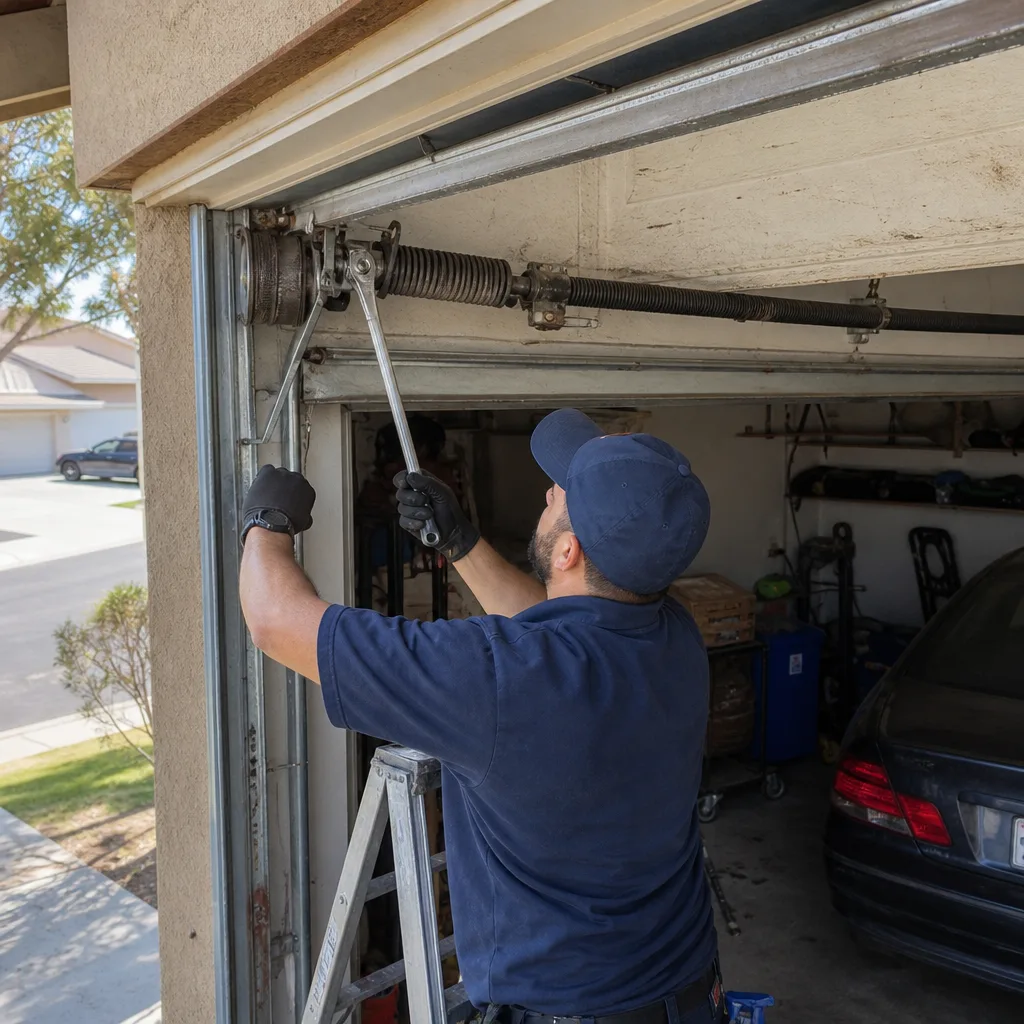 Before
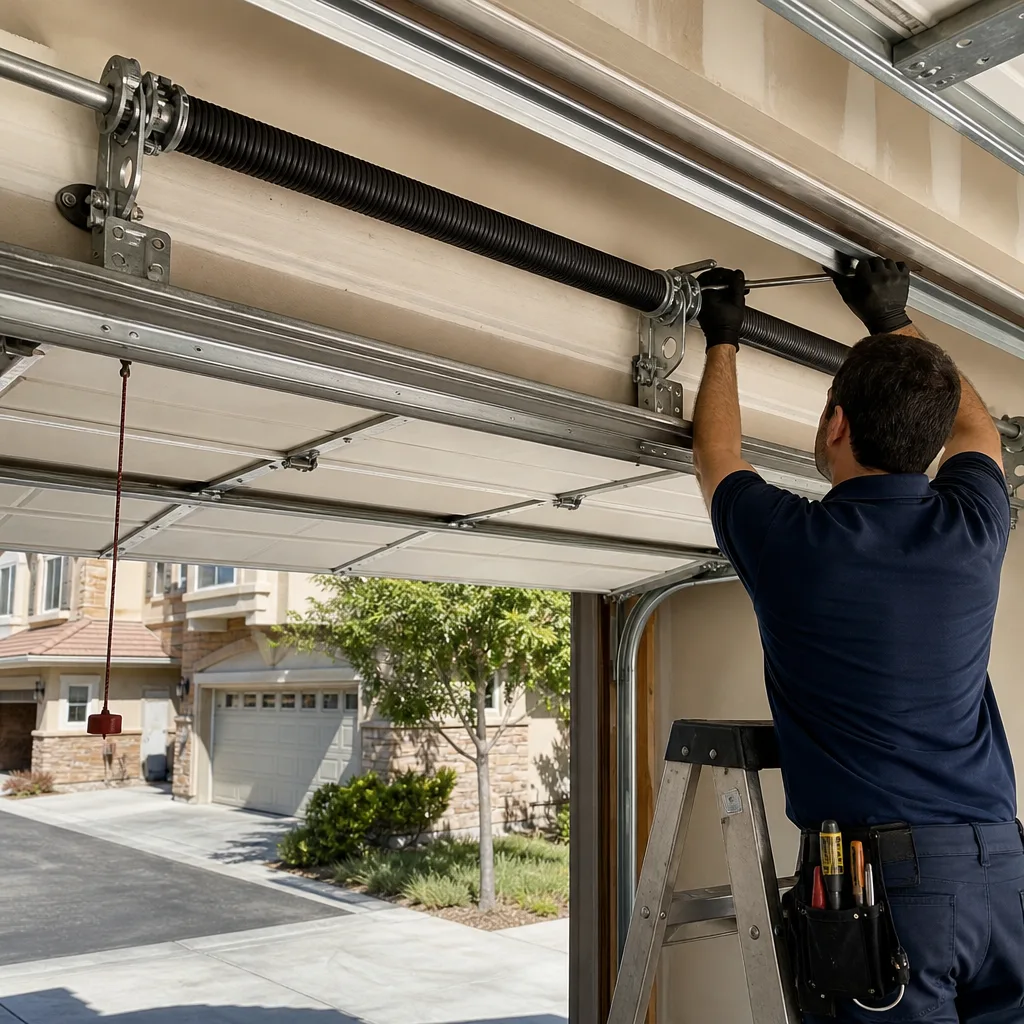 After
After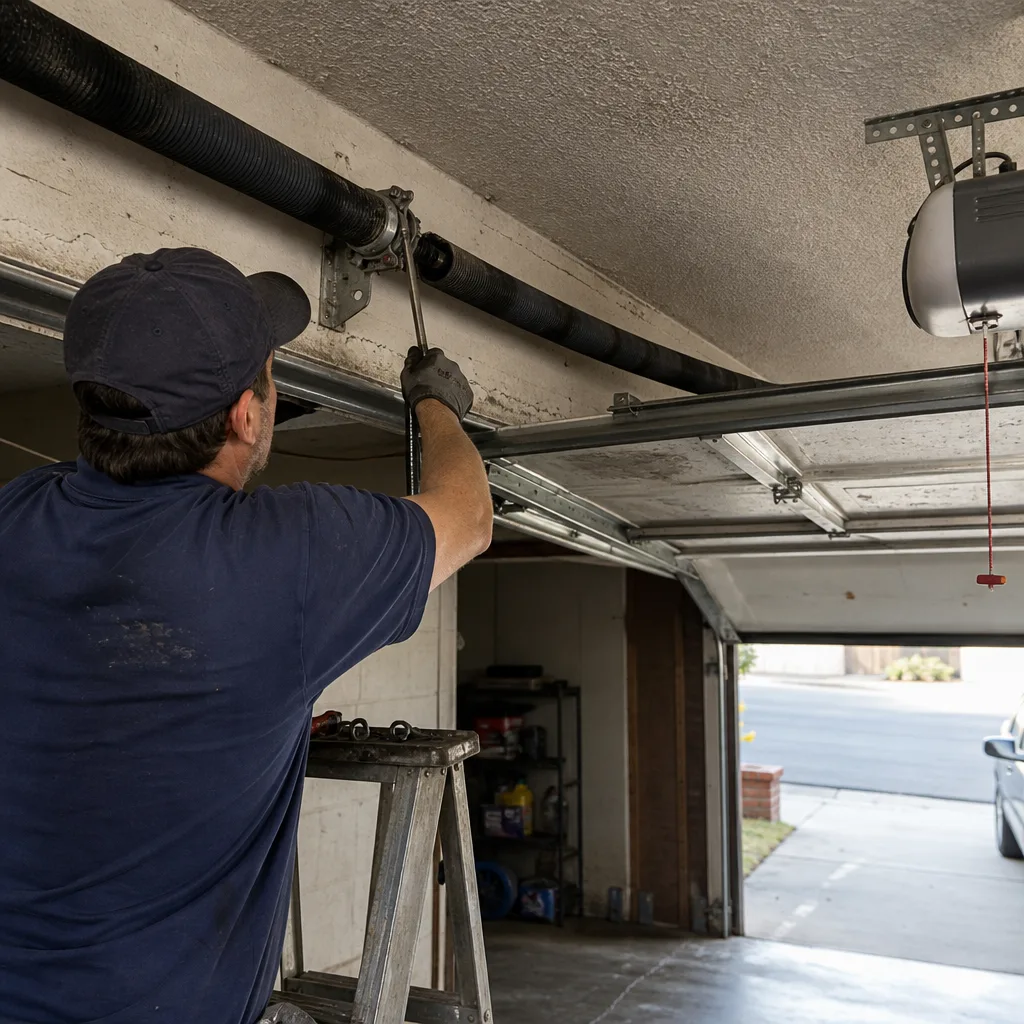 Before
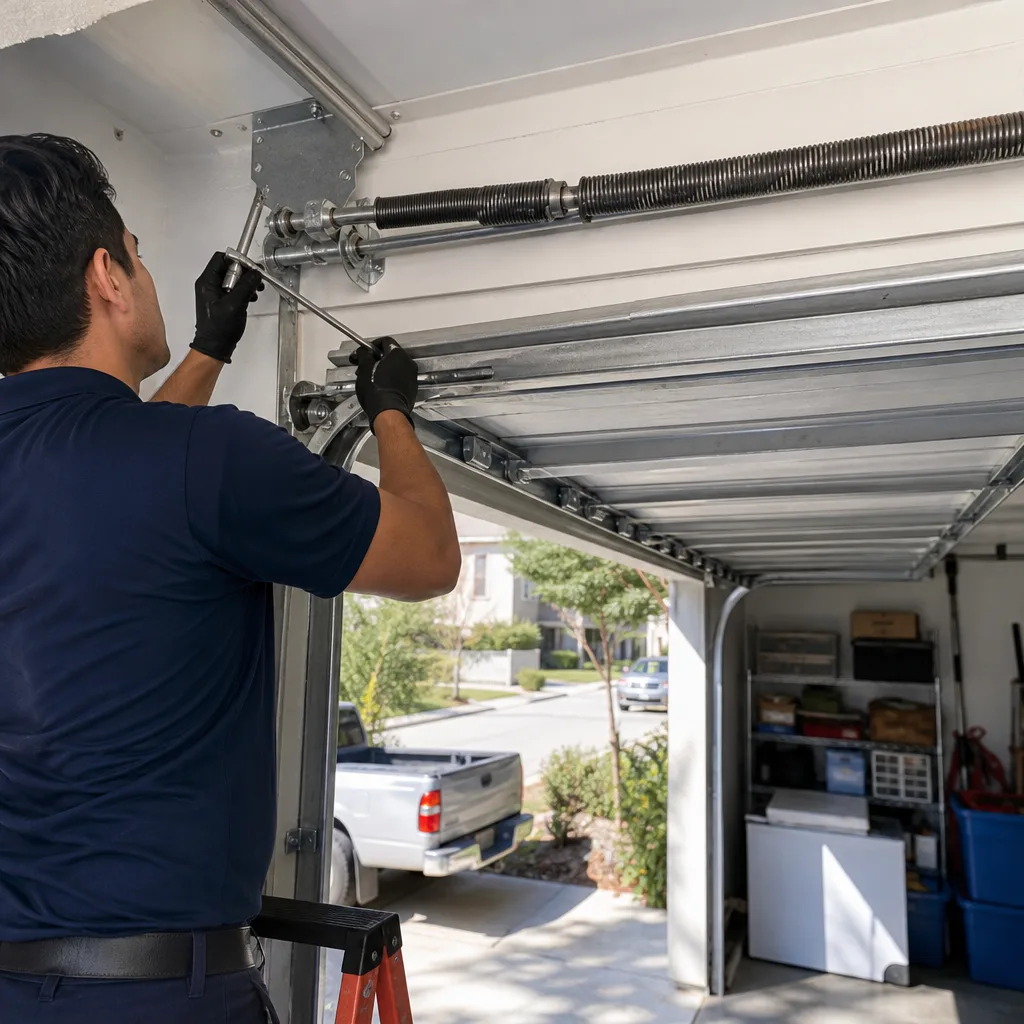 After
AfterWhen to Call a Professional
Call a professional the moment you identify a safety-critical sign: frayed cables, a separated spring, or a door that fails the auto-reverse test. These are not repairs to schedule for next week. Call when the decision tree routes you to a same-day answer, or when a maintenance item has reached the point where the noise or movement issue interrupts your daily life. You do not need to diagnose the exact component before calling. A competent technician will confirm your observation, identify the underlying cause, and give you a written price before any work starts. If you want to prepare beforehand, read How to Hire a Garage Door Contractor in Santa Clarita: A Step-by-Step Guide. Brock Garage Doors Santa Clarita offers free estimates in Santa Clarita. Call (661) 592-1666 and a live person answers, 24 hours a day, including holidays.
Frequently Asked Questions
Frayed cables, a visibly broken or separated spring, and a door that fails the auto-reverse test all require immediate attention because they involve either stored tension energy or a safety mechanism that protects people. If you see any of these three signs, stop using the door and call (661) 592-1666. We answer live around the clock and will tell you honestly whether the door can wait or needs service today.
Spring replacement in Santa Clarita typically runs $220 to $380 for a single torsion spring, including parts and labor. The range depends on spring grade, wire size, and whether you replace one or both springs. Every Brock job includes a written price before work starts and a 365-day written guarantee. Call (661) 592-1666 for an exact quote.
Grinding during operation almost always points to worn rollers, specifically roller bearings that have stopped spinning and begun sliding along the track. The fix is roller replacement, a standard repair that typically costs $90 to $160 for a full set in Santa Clarita.
Yes. Sustained Santa Clarita heat degrades nylon rollers, accelerates spring fatigue through daily thermal expansion and contraction, causes panel delamination on older steel doors, and hardens bottom seals. West-facing garage doors absorb the most direct sun and show these failures earliest.
Not necessarily. Shaking typically indicates track misalignment, a balance problem from a weakening spring, or flat-spotted rollers. All three are repairable. A written estimate will tell you which component is causing the shake and what the fix costs before you commit to anything.
Our technicians are trained on LiftMaster, Chamberlain, Genie, Clopay, Amarr, and Wayne Dalton systems. The right fix depends on the specific equipment installed, not a generic workaround. Call (661) 592-1666 and we will tell you over the phone what you are likely dealing with.
The Bottom Line
Your garage door tells you what is wrong with it long before it fails. The skill is in reading the signs: the character of a new noise, the hesitation in a remote response, the fraying on a cable, the gap under a closed door. In Santa Clarita, where heat accelerates specific failure modes, a homeowner who knows the difference between a maintenance problem and a safety problem saves money and avoids the risk of a door that fails without warning. When a sign crosses from maintenance into safety, call immediately. When it is a maintenance item, schedule it before it becomes safety-critical. That is the entire reference guide in two sentences.
Written by Wade Mercer, Owner at Brock Garage Doors Santa Clarita, serving Santa Clarita since 2001.